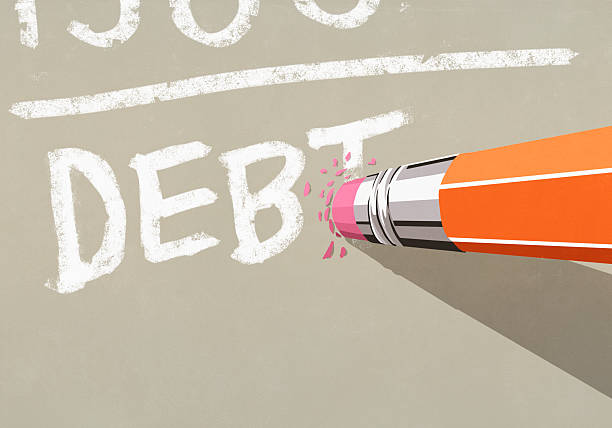
You got a raise. Maybe $3,000 more a year. Before it hits, you already know it’s going to student loans. Then your car needs tires. Your friends plan a trip. Your apartment feels small. Suddenly the raise is gone, and your loan balance hasn’t moved. That’s lifestyle creep. It’s not blowing money on stupid stuff. It’s upgrading your normal until your normal costs more than your income can carry. For anyone with student debt, lifestyle creep is the slow leak that keeps you broke even when you’re doing better.
Lifestyle inflation often feels reasonable. You commute an hour; upgrading to a car with working AC feels like self-care. You work hard; DoorDash twice a week seems okay. You make more; a nicer apartment in a safer neighborhood makes sense. None of these choices are evil. The problem is they happen automatically. Your income rises, your spending rises to match, and the gap between what you earn and what you owe never gets wider. Student loans stay fixed while your lifestyle expands.
The math is brutal. If your student loan payment is $300 and you get a $200 monthly raise, you can either send that $200 to debt or absorb it into rent, food, subscriptions, and nights out. If you absorb it, you’ve just made your financial life more expensive without improving your net worth. Do that three years in a row and you might be earning $10,000 more but still living paycheck to paycheck. The raise didn’t fail you. The plan did.
The fix isn’t never enjoying money. It’s deciding where increases go before they arrive. A simple rule: every time your income goes up, split the raise. Give at least half to debt or savings, and let yourself enjoy the rest. Every dollar has to go somewhere, so choose before your habits choose for you. If you get $150 more per month, send $75 to your student loan and use $75 to improve your life. This keeps you motivated and prevents the all-or-nothing burnout that makes budgets fail.
Watch for the sneaky categories. Housing is the biggest. A slightly nicer apartment can add $200 to $500 a month. Transportation is next. A car payment plus insurance can eat a raise instantly. Food delivery and groceries are smaller but constant. Subscriptions multiply quietly. Travel and weddings show up as one-time costs that somehow happen every month. You don’t need to cut all of them. You need to name them and cap them.
Use a spending plan that updates with your income. If you budgeted $2,400 a month when you made $2,400, don’t keep spending $2,400 when you make $2,800. That extra $400 needs a job. Some can go to an emergency fund so you stop using credit cards for car repairs. Some can go to extra student loan payments. Some can go to fun. But if you don’t assign it, it will disappear into the same old life with a slightly higher price tag.
Automate the important part. Set up an automatic transfer to savings or an extra student loan payment for the day after payday. You can’t spend what you don’t see. Start small. Even $25 or $50 extra a month can cut years off your debt and build a cushion. The goal is not to be perfect. The goal is to make progress automatic.
Also, redefine what “living” means. You can have a good life without upgrading every part of it. Host friends instead of going out. Cook one more meal at home. Keep your car longer. Move in with a roommate if it buys you freedom. Say no to the trip you can’t afford without guilt. These aren’t sacrifices forever. They’re choices that make your future less stressful.
Check yourself every few months. Look at your last three months of spending and ask one question: what increased? If your income went up 5% and your spending went up 8%, lifestyle creep is winning. Adjust one or two categories. You don’t need a total overhaul.
Student debt is heavy, but it’s temporary if you attack it. Lifestyle creep is quieter. It can follow you for decades. Beat it by deciding in advance what every raise is for. Enjoy some of it. Send the rest to your goals. That way, getting ahead actually feels like getting ahead.