
How Lifestyle Creep Quietly Turns Raises Into Student Loan Debt
You got a raise. Maybe $3,000 more a year. Before it hits, you already know it’s going to student loans. Then your car needs tires. Your friends plan...
3 days ago Read More
How to Stop Lifestyle Inflation From Eating Your Student Debt Progress
You got a raise. Maybe it was small, maybe it finally made you feel like an adult. Then the upgrades started. A nicer apartment, a newer car...
3 days ago Read More
How to Eat Well on a Student Debt Budget Without Losing Your Mind
Food is where most budgets quietly fall apart. Your student loan payment is fixed, your rent is fixed, but groceries, takeout, coffee, and delivery...
5 days ago Read More
How to Eat Well on a Student-Debt Budget Without Hating Every Meal
You don’t need a complicated spreadsheet to eat on a student-debt budget. You need a few habits that make the cheap choice the easy choice. Food is...
11 days ago Read More
How to Cut Transportation Costs Without Wrecking Your Student Debt Plan
Transportation is the budget line that quietly eats your paycheck. You notice rent. You notice groceries. But car payments, insurance, gas, parking...
12 days ago Read More
How to Keep Lifestyle Inflation From Eating Your Student Debt Progress
You get a raise, a better job, a side hustle that finally pays, or a tax refund. The first thought is often upgrade: nicer apartment, newer car...
14 days ago Read More
The $1,000 Emergency Fund Every Student Loan Borrower Needs
An emergency fund is not a luxury. When you have student loans, it can feel irresponsible to stash cash while interest accrues. But going without one...
16 days ago Read More
How to Afford Rent While Paying Student Loans Without Losing Your Mind
Housing is usually the biggest line in your budget, and when student loans are also taking a bite, you have to be ruthless about what “affordable”...
18 days ago Read More
How to Eat Well on a Student Loan Budget Without Living on Ramen
Your student loan payment hits every month. Food is one of the few expenses you can adjust without missing rent. The goal is not the cheapest...
19 days ago Read More
The Silent Raise: How Lifestyle Inflation Steals Your Student Loan Progress
You finally get a raise. Maybe it’s a promotion, a new job, a side hustle that actually pays, or a tax refund that feels like found money. Your bank...
21 days ago Read More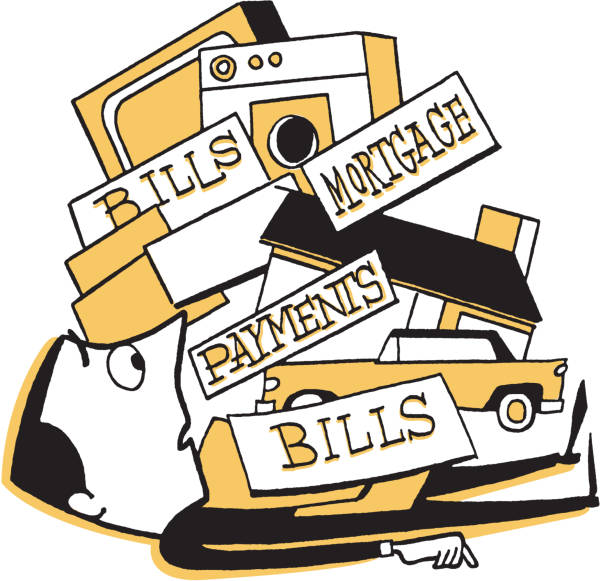
Paying off student loans can feel like a race you cannot win, but life does not pause while you make payments. A car breaks down. A tooth cracks...
25 days ago Read More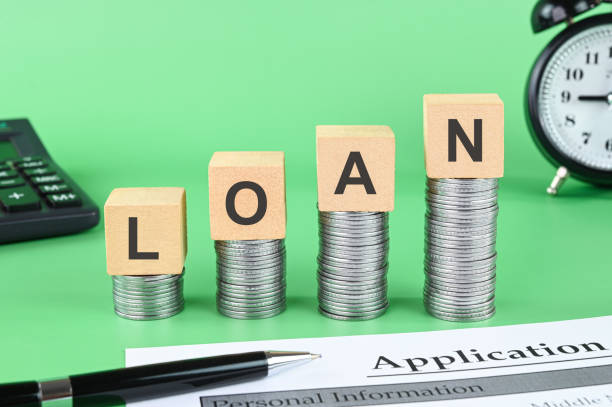
Rent or Buy While Paying Student Loans: What Actually Makes Financial Sense
The rent-versus-buy question gets messy when student loans are still in the picture. You may hear that renting is throwing money away and buying is...
25 days ago Read MorePopular Articles

When Refinancing Student Loans Actually Makes Sense After Graduation