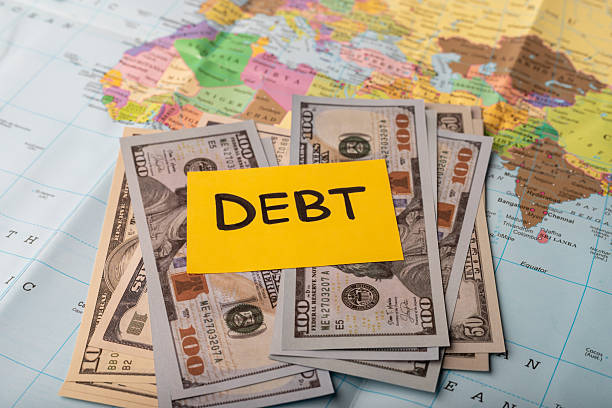
Student debt can make you feel like you are running a race with weights tied to your ankles. Everyone else seems to be buying houses, traveling, or saving for retirement while you are watching interest capitalize. But here is the truth: you are not alone, and you do not have to wait until your balance hits zero to be part of something bigger. Community and philanthropy are not luxuries reserved for people with extra cash. They are survival tools. When you are paying off loans, giving back can look like sharing a ride, watching a neighbor’s kid, forwarding a job lead, or teaching someone how to recertify their income-driven repayment plan. Those acts matter. They build the kind of support system that keeps you sane, employed, and housed while you dig out.
Start with mutual aid, not charity. Mutual aid is the idea that we help each other because we all need help sometimes. Your local Buy Nothing group, community fridge, tool library, tenant union, or campus food pantry are all forms of mutual aid. They lower costs and build relationships. If you are paying hundreds a month toward loans, a free meal or a borrowed drill is not small. It is real money saved. Give what you can when you can. Maybe you have an hour to sort donations. Maybe you can fix a bike. Maybe you can drive someone to a medical appointment. You do not need to be wealthy to be generous. You need to be present.
Find your people. Debt shame thrives in silence. Join a student loan support group online or in your area. Not just to complain, though complaining has its place. Join to swap practical information. Someone there knows which servicer is messing up, which forgiveness program actually works, and how to get a payment count corrected. When one person figures out a form, everyone wins. That is community philanthropy. Sharing knowledge can save someone thousands of dollars and years of stress. You can also start a small group with friends. Meet once a month. Bring your statements, your questions, and your wins. No judgment. Just help.
Volunteer strategically. Choose causes that match your skills and your schedule. If you are a writer, help a nonprofit with grant applications. If you are good with numbers, offer budget help at a community center. If you are studying nursing, volunteer at a clinic. You build resume lines, references, and networks. Some volunteer roles lead to paid work. Others open doors to nonprofits or government agencies that qualify for Public Service Loan Forgiveness. Even when they do not, volunteering keeps you connected to something bigger than your balance. That connection is protection against burnout.
Give small and smart. Philanthropy does not require sacrificing rent. Set a tiny monthly amount, even five dollars, to a cause you believe in. Or skip one subscription and redirect it. Use employer matching if your job offers it. Donate unused gift cards, clothes, or books. Give blood. Offer a free workshop. The point is consistency, not size. You are building the habit of being part of the solution instead of waiting until you are debt-free to matter. That habit will outlast your loans.
Advocate. The student debt crisis is a policy problem, not a personal failure. Join campaigns for debt cancellation, affordable college, and transparent loan servicing. Call your representatives. Submit comments on regulations. Share your story safely. Advocacy is philanthropy at scale. It can change rules for millions of people. You do not have to be an expert. You just have to show up. Even five minutes to sign and share a petition helps. When borrowers organize, servicers listen. When voters speak, lawmakers listen. Your voice is an asset.
Protect your own oxygen mask first. You cannot pour from an empty cup. Community and philanthropy should not become another debt. Set boundaries. If you are behind on bills, prioritize food, housing, medicine, and minimum payments. Generosity can be a phone call to a lonely friend, a meal shared, a ride to the airport. Those are real contributions. Guilt is not a repayment plan. Mutual aid means giving and receiving. Let people help you too. Accept a free meal, a couch, a reference. That is not charity. That is community.
Think long term. The best philanthropic move might be getting your loans into a manageable repayment plan so you can stay employed, housed, and sane. Then you can give more later. A zero-dollar income-driven repayment payment can count toward forgiveness. Consolidation, recertification, and public service forgiveness can change your life. Know your options and share them. When you stabilize, mentor someone else. That cycle is how communities survive a crisis.
You do not have to wait for a zero balance to be generous. Build community now. Give what you can, when you can. Focus on time, skills, advocacy, small dollars, and mutual support. The student debt crisis wants you isolated and ashamed. Community is the antidote. Philanthropy is not a rich person’s hobby. It is the practice of showing up for each other. Start where you are. Use what you have. Do what you can. Your debt is real, but so is your power to make things better for yourself and someone else.