Food is where most budgets quietly fall apart. Your student loan payment is fixed, your rent is fixed, but groceries, takeout, coffee, and delivery are negotiable. That makes food the best place to find breathing room without wrecking your life. The goal is to spend less in a way you can keep doing next month. A food budget that makes you miserable will fail. One that makes cheap meals easy, tasty, and automatic will survive.
Start by knowing your real number. Most people underestimate food spending because it is spread across grocery stores, gas stations, vending machines, delivery apps, and random Tuesday tacos. Look at two weeks of bank and credit card statements. Add every food purchase, divide by fourteen, then multiply by thirty. That is your baseline. It might sting. Now set a target ten to fifteen percent lower. Not fifty percent. A small cut you keep beats a brutal cut you abandon by Friday.
Use three buckets: groceries, convenience, and fun food. Groceries are what you cook at home. Convenience is the frozen burrito, work cafeteria, or emergency ramen. Fun food is social meals, dates, and takeout with friends. If you only budget groceries, you will blow the rest on delivery and feel like a failure. Give each bucket a number. When convenience is gone, you eat from groceries. When fun food is gone, you suggest a potluck or a walk. Cash envelopes work, but separate accounts or a notes app can do the same job.
Shop with a plan and shop your kitchen first. Before writing a list, look at what you already have. Half a bag of rice, three eggs, frozen vegetables, and a lonely onion can become fried rice. Build your week around five dinners that share ingredients. A rotisserie chicken can be dinner, then sandwiches, then soup, then tacos. Rice, beans, eggs, oats, peanut butter, tortillas, canned tomatoes, and frozen vegetables are boring alone and brilliant together. Do not buy twenty ingredients for one influencer recipe you will never make again. Choose meals you will actually cook after a long day.
Store strategy matters more than coupon hunting. Aldi, Lidl, Walmart, ethnic markets, and local discount grocers often beat big-name supermarkets on staples. Buy store brands. Frozen produce is as nutritious as fresh and creates less waste. Canned beans, lentils, tofu, eggs, and canned fish are cheap protein. Treat meat as a flavor, not the center of every plate. If you have a Costco membership and a freezer, split bulk buys with a roommate.
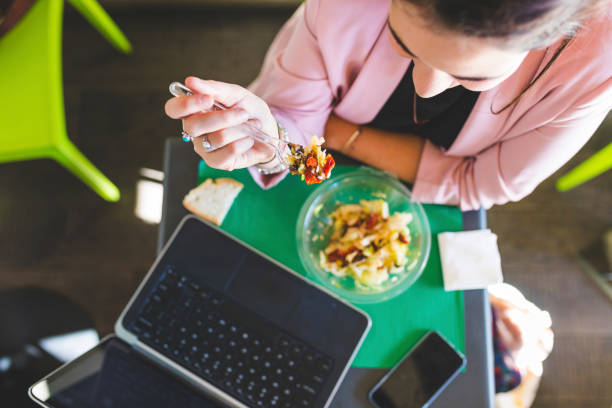
Batch cooking does not mean seven identical containers. Cook once, eat twice. Make a big pot of chili, curry, soup, or a grain bowl. Freeze half. Change the sauce so the same ingredients taste different. Hot sauce, salsa, soy sauce, curry paste, lemon, and herbs are cheap ways to fight food boredom. Pack lunch four days a week. That alone can save forty to eighty dollars weekly.
Delivery apps are the biggest leak. They mark up food, add fees, add tip, and encourage impulse. Delete the apps or log out. Keep emergency convenience at home instead. Frozen burritos, canned soup, and instant noodles upgraded with an egg and frozen vegetables cost a few dollars and take minutes. Coffee is the same story. A five-dollar latte five days a week is about one hundred dollars a month. Make it at home and put the difference toward debt. If coffee with friends matters, budget for it once or twice.
Protect your social life too. Isolation is not a debt strategy. Suggest potlucks, picnics, happy hours, BYOB, or taco nights. Eat before you go out. Set a cash limit. Order water and one item. Host at your place. Real friends will not care. Student debt is temporary, but loneliness and burnout make everything harder. Your food budget should support your life, not shrink it to nothing.
The best food budget is not the most extreme one. It is the one you can repeat. Eat well enough, cook often enough, and keep your money moving toward debt and a life you actually want.