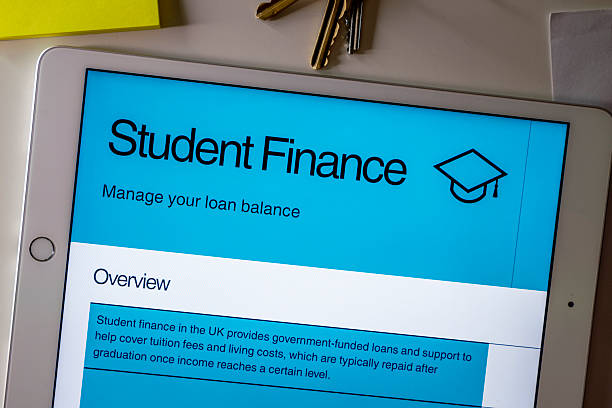
A Federal Work-Study award is not just spending money. It is a tool to borrow less, pay down interest, and avoid credit card debt while you are in school. You get a paycheck, and it disappears if you are not deliberate. Decide before the first direct deposit what the money is for. If you can, send part of every check to your student account, part to savings, and keep only what you need for food and transportation. A campus job should make your debt smaller, not just your weekend busier.
Know what work-study actually is. Your school or a nonprofit employer pays you wages, usually through federal funds plus a campus match. You typically work ten to twenty hours a week, and the job is supposed to fit around your classes. That limit is protection. If you push for thirty hours, you might earn more now and lose more later through failed classes, dropped scholarships, or an extra semester. An extra semester can cost thousands. A few extra shifts cannot fix that. Treat your class schedule as the first priority and work as the second.
Not all campus jobs are equal. A quiet front desk job may let you read textbooks during slow periods. A research assistant position may build skills for your resume and connect you with professors. Library, writing center, IT help desk, and recreation center jobs can be flexible and low-stress. A job that leaves you exhausted, schedules you over lectures, or refuses to adjust during finals is not worth the hourly wage. Ask about downtime and flexibility in the interview. A job that pays you to study is better than one that pays you to burn out.
Pay attention to taxes and financial aid. Work-study wages are taxable income, so check your withholding and file a return if required. Also, your income can affect next year’s financial aid package. The FAFSA has an income protection allowance for students, but earning a lot can still reduce need-based aid. Run the numbers before you take on extra hours. If working more costs you a grant or scholarship, you are not actually getting ahead. Earn enough to cover books and transportation, not every possible shift.
Use the paycheck to reduce borrowing. The best student debt is the debt you never take. If your school lets you pay current charges, send work-study money to your account. That can lower what you need to borrow next semester. If you already have federal unsubsidized loans, make interest payments while you are in school to stop that interest from capitalizing later. If you have private loans, read the terms carefully and ask whether payments during school reduce the balance or just pay future interest. Even small payments count.
Build a small emergency fund at the same time. Debt payoff matters, but so does staying out of new high-interest debt. A car repair, a medical copay, or a broken laptop can go on a credit card in seconds and take years to pay off. Keep a few hundred dollars in a separate savings account. When something goes wrong, you use cash instead of plastic. That keeps your student debt from growing a twin.
Track your hours and protect your time. Put shifts, classes, study blocks, and sleep on the same calendar. If a supervisor tries to schedule you during an exam, speak up early. Most campus employers understand that you are a student first. If they do not, find another work-study job. You have more power than you think. A two-dollar raise is not worth a lower GPA.
Finally, remember that work-study is a trade. Make those hours buy you something real: lower balances, less borrowing, and breathing room. If you can work ten to fifteen hours a week without wrecking your grades, do it. If you cannot, do not force it. The cheapest loan is the one you do not take. But the most expensive job is the one that costs you your degree. Used well, a campus job can help you graduate with a manageable debt load instead of a crushing one. Treat every paycheck like a tool, not a treat.