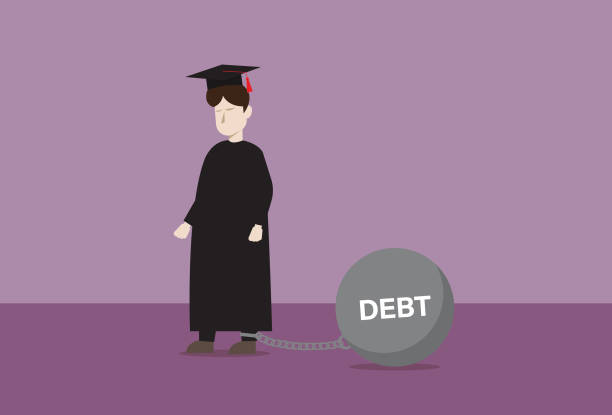
It is a harsh reality that when you signed those promissory notes for your education, you probably did not read the fine print regarding capitalization or compounding interest. You were eighteen, focused on your degree, and trusting that the system was designed to help you succeed. Fast forward to today, and that 6, 8, or even 12 percent interest rate is the single biggest obstacle keeping you from buying a house, starting a family, or simply sleeping through the night. The good news is that the interest rate printed on your statement is not carved in stone. It is simply a number on a contract, and contracts can be renegotiated.
Most people treat their student loan servicer like a stern principal. They avoid opening emails, dread phone calls, and pay whatever amount the auto-debit pulls from their checking account. This is the worst approach. Your lender is a business. They want their money back, and they want it back consistently. They have entire departments dedicated to risk assessment, and the last thing they want is for you to default. This fear of default is your leverage. You can use it to negotiate a better deal.
The first step in negotiation is preparation. You cannot walk into a negotiation blind. You need to know exactly what you owe, what your current interest rate is, and what the monthly payment looks like. Pull your credit report and check your FICO score. If your credit score has improved significantly since you originally took out the loans—perhaps you have a steady job now, or you have paid off credit cards—you are a lower-risk borrower now than you were at eighteen. Lenders reward low-risk borrowers with lower rates. If your score has tanked, your priority is to fix that before you pick up the phone.
When you are ready to call, ask specifically for the “retention department” or a “customer relations specialist.“ The first person who answers is reading from a script. You need to speak to someone with authority. When you get them on the line, be polite but firm. Do not launch into a sob story about how hard your life is. Lenders are immune to emotion. Instead, present a fact-based case. Explain that you have been a loyal customer, that you have a history of on-time payments, and that you have received a competing offer from a different lender for a lower rate. You do not actually need a competing offer in hand, but you do need to imply that you are a flight risk. If you refinance with another company, your current lender loses all the interest you would have paid. They would rather lower your rate to 5 percent than lose you entirely.
If they refuse to lower the rate on your existing loan, pivot the conversation toward fees. Ask if they can remove any late fees that have accrued or lower your monthly payment by extending the term. While extending the term might mean you pay more interest over time, it can lower your monthly payment immediately, which frees up cash flow so you can breathe. Sometimes, the best negotiation isn’t about the interest rate at all—it’s about getting a payment you can actually afford so you stop missing payments and damaging your credit.
Another powerful strategy involves highlighting your eligibility for specific repayment plans. Federal loans come with income-driven repayment (IDR) options. If you are on the standard plan, you might be paying too much. Call your servicer and ask to be switched to an IDR plan. This isn’t a negotiation per se, but it is a form of relief. It caps your payment at a percentage of your discretionary income. If your income is low, your payment could drop to zero. Even if you have private loans, being enrolled in an IDR plan for federal loans frees up money in your budget, which gives you more room to negotiate payments on private loans.
The key to success is to be persistent. The first person you speak to will say no. The second might say no. You must be willing to hang up and call again or ask for a supervisor. Document every call. Write down the date, the time, the name of the representative, and what was agreed upon. If someone promises you a lower rate, get it in writing. Lenders are notorious for verbal promises that never materialize. A simple email after the call confirming your conversation can save you months of headaches.
Remember that you have more power than you think. The total student debt in America is over a trillion dollars, and lenders are under immense pressure to keep borrowers in good standing. They need you more than you need them. By being organized, calm, and strategic, you can turn a predatory interest rate into a manageable one. This won’t eliminate your debt overnight, but it will stop the bleed and give you a chance to actually live your life while you pay it off.