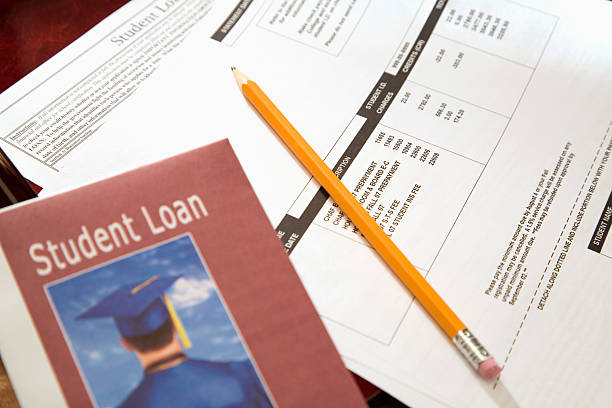
Your loan servicer is the company that sends bills, tracks your balance, and answers questions about federal student loans. It is not the lender, and it is not your financial advisor. During school, its job is mostly to administer the loan according to terms you signed. If you do not understand what you are looking at, you can miss small details that turn into big money later. Learn the numbers and labels that matter, check them once a semester, and keep a record. You do not need to be a finance major.
First, figure out who your servicer actually is. You might have more than one over time. Loans can be transferred, and the name on your billing portal can change without your loan terms changing. If you get an email saying your loans have moved, do not ignore it and do not automatically trust it. Log in through the official Federal Student Aid website or call the number on your previous servicer’s statement. Scammers love student loan confusion. A real servicer will never ask for your password or a fee to process your loan. Keep your contact information current so you receive notices.
Next, read the status line. During school, many federal loans are in an in-school deferment, which means payments are not required while you are enrolled at least half-time. But no payment required is not the same as no interest growing. Subsidized loans generally do not accrue interest during in-school deferment, but unsubsidized loans do. Your balance can be higher when you graduate than what you borrowed. Your statement should show loan types separately. If you see unsubsidized, assume interest is added daily. If you see subsidized, you get a break while in school, but only on that specific loan.
Then look at the interest rate and accrued interest. Your interest rate is the percentage charged on the loan. Accrued interest is interest that has piled up but has not yet been added to your principal balance. This matters because of capitalization. Capitalization is when unpaid interest gets added to principal, and then you pay interest on that interest. For many loans, capitalization happens when your grace period ends or when you leave school. That is why small interest-only payments while you are still in school can save real money later, even if your statement says you owe zero. You do not have to pay a lot. Twenty or thirty dollars a month toward unsubsidized interest can keep your balance from snowballing. Just confirm with your servicer that extra payments are applied to interest first and not held as a prepayment for a future bill unless that is what you want.
Your statement also tells you when repayment begins. For most federal loans, you get a six-month grace period after you graduate, leave school, or drop below half-time enrollment. But not all loans work that way. Some have different grace periods, and PLUS loans may have different rules. Write the estimated repayment start date somewhere you will see it. Put a reminder two months before that date. When repayment starts, your servicer will place you in a standard repayment plan unless you choose something else. If the payment is too high, you can ask about income-driven repayment, but you have to apply. The servicer will not automatically know your salary or put you in the best plan for your budget.
Finally, keep a paper trail. Every time you call your servicer, write down the date, the representative’s name, and what they told you. If you submit a form, save the confirmation. If you make a payment, screenshot it. Servicers handle millions of accounts, and mistakes happen. The borrower who has receipts gets problems fixed faster. Check your loan balance on the National Student Loan Data System at least once a year. That is the government’s official record, and it can reveal loans you forgot about or servicers you did not know you had.
Understanding your servicer is not about becoming obsessed with your debt. It is about checking the dashboard before the warning light comes on. Know who holds your loans, what status they are in, whether interest is growing, and when you must start paying. Do that once a semester, and you will avoid the nasty surprise of a balance that grew while you thought you had everything under control. Your future self will thank you for paying attention now.