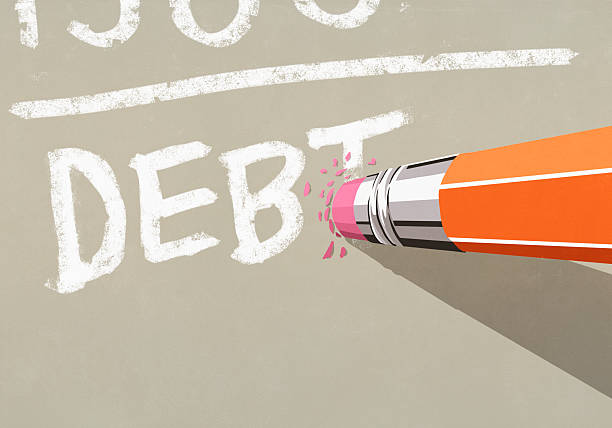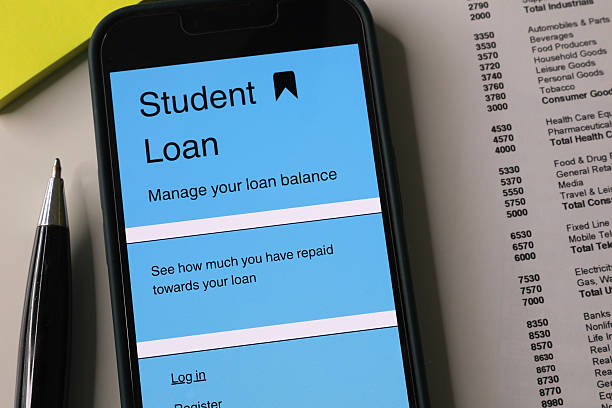
Refinancing student loans after graduation can feel like the adult version of cleaning your room: you know it might help, but you are not sure where to start. The basic idea is simple. A private lender pays off your existing student loans and gives you one new loan, ideally with a lower interest rate, a single monthly payment, or both. That can save thousands. It can also quietly strip away protections you may need later. So before you sign anything, decide what kind of debt you have and what kind of safety net you want.
Federal loans are not just loans. They come with income-driven repayment, Public Service Loan Forgiveness, deferment, forbearance, and discharge options if you become disabled or die. If you refinance federal loans into a private loan, those benefits disappear permanently. There is no undo button. If you work for a nonprofit or government agency, hope to pursue forgiveness, or need a payment capped at a percentage of your income, do not refinance federal loans. For many graduates, the smarter move is to leave federal loans alone and refinance only private loans, which rarely have those protections anyway.
Private loans are where refinancing often makes the most sense. If you borrowed from a bank, credit union, or online lender at a high rate, and your credit and income have improved since you first signed, you may qualify for a lower rate. A stable job, a few months of on-time payments, and a little emergency savings all help. Lenders want to see that you can handle the new payment. If your credit is thin, you may need a cosigner or co-borrower. That can get you a better rate, but it also ties someone else to your debt. Make sure they understand the risk.
The math matters more than the marketing. Compare the annual percentage rate, not just the interest rate, because fees can change the true cost. Decide between fixed and variable rates. A fixed rate stays the same, so your payment is predictable. A variable rate can start lower, then jump when the market changes. If you can pay the loan off fast and have room in your budget for increases, variable might work. If you want to sleep at night, fixed is usually the safer choice. Also compare terms. A longer term lowers your monthly payment but usually raises the total interest you pay. A shorter term raises the payment but can save a lot. Run the numbers for both, then ask whether the lower payment is worth the extra years.
Do not refinance just to feel better about a lower monthly payment. If you stretch a five-year loan into a fifteen-year loan, you may pay thousands more over time. That can be okay if you are avoiding default or freeing up cash for a real emergency, but it is not a win by itself. Look at the break-even point: how many months of lower payments does it take to cover any fees and the cost of resetting the clock? If you cannot answer that, slow down.
Shopping around is not disloyal. It is smart. Get pre-qualified with several lenders so you can see real offers without a hard credit pull. Then, when you are ready to apply, do it within a short window. Credit scoring models usually treat multiple student loan inquiries in a short period as one inquiry, so you can compare without wrecking your score. Read the fine print for origination fees, late fees, cosigner release rules, and whether autopay discounts are included. A great rate with terrible customer service is still a headache.
After you refinance, protect yourself. Set up autopay so you never miss a due date. If the rate is low and you have extra cash, decide whether to pay down the loan or build an emergency fund. Usually, a small emergency fund comes first, because a surprise car repair should not become a credit card balance. Keep an eye on your servicer and your statements. If your income drops, call the lender before you miss a payment. Refinancing is a financial tool, not a magic spell. It works best when you have a steady income, a clear plan, and a reason beyond a slick advertisement. If it lowers your rate without removing protections you need, it can be a quiet win. If it trades your safety net for a slightly smaller payment, it can be a costly mistake.