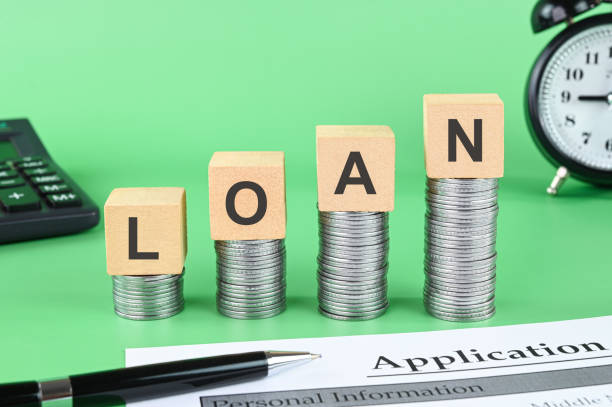
The rent-versus-buy question gets messy when student loans are still in the picture. You may hear that renting is throwing money away and buying is always the grown-up move. Neither is true. Rent buys you shelter, flexibility, and time. Buying builds equity, but it also brings property taxes, insurance, maintenance, closing costs, and a heavy anchor if your job, relationship, or city stops fitting your life. The right answer depends less on what your uncle says and more on your monthly cash flow, your loan servicer, and how long you plan to stay put.
Start with the number that matters most: total housing cost. That means rent or mortgage plus utilities, insurance, taxes, HOA fees, and the boring stuff nobody warns you about, like a broken water heater. If you have student loans, aim to keep housing at or below roughly 25 to 30 percent of your take-home pay. If your loan payments already eat 10 percent of your paycheck, a 35 percent housing bill leaves you one car repair away from panic. Lenders may approve you for more than you should spend. They do not care if you eat rice and beans for a year. You should.
Mortgage lenders look at your debt-to-income ratio, and student loans count. Federal loans on an income-driven repayment plan may be calculated using your actual payment, which can help you qualify. Private loans usually count fully, and that can shrink your buying power fast. Do not stretch to the maximum just because a bank says yes. A mortgage payment that leaves no room for loan payments, savings, or fun is not a win. It is a trap with a welcome mat.
Down payment is not the only cash you need. Closing costs, moving expenses, furniture, and an emergency fund all matter. If buying wipes out your savings, you are one roof leak or medical bill away from credit card debt. Then you are juggling student loan interest and credit card interest at the same time. That is how people drown financially even when they technically own a home.
Renting can be the smarter move for years, not just months. It lets you move for a better job, escape a bad landlord, or split costs with a roommate. It keeps maintenance and property tax surprises out of your life. If you are chasing public service loan forgiveness or an income-driven repayment plan, keeping housing low helps you stay on track. If you are aggressively paying off private loans, every extra dollar toward housing is a dollar not going toward debt.
Buying can still make sense. If you plan to stay in one place for at least five to seven years, have stable income, no credit card debt, a fully funded emergency fund, and a housing payment that fits your budget, owning can build equity and lock in costs. A duplex or house hack can work if you are ready to be a landlord, but it is not passive income magic. It is a second job with toilets.
Run the real math. Compare rent to mortgage principal, interest, taxes, insurance, PMI, HOA dues, and maintenance. A common rule is to set aside about one percent of the home’s value each year for repairs. Add the tax break, but do not overestimate it. Many people take the standard deduction, so the mortgage interest deduction may not save as much as you think.
Do not buy with someone you are not legally tied to without a written agreement. Do not co-sign unless you can afford the full payment alone. Do not drain your 401k or use student loan refunds as a down payment. Debt-funded homeownership is still debt-funded.
A simple rule works for most people: keep housing at or below 25 percent of take-home pay if you have student loans, keep three to six months of expenses saved after closing, and plan to stay put for at least five years. If you cannot check those boxes, rent. Use the difference to attack loans and build savings. If you can, buying can be a solid move. Rent is not failure. Buying is not adulthood. A stable roof, manageable payments, and steady progress on debt is the real goal.