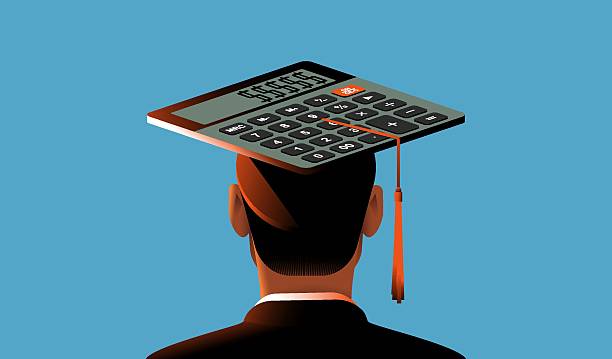
Your student loans are not a reason to skip retirement. They are a reason to be strategic. The worst move is to throw every spare dollar at debt for ten years, then wake up at 35 with no retirement savings and no idea how to catch up. Compound interest rewards time more than it rewards perfect timing. The earlier you start, the less you need to save each month.
Start with your employer match if you have one. That’s not complicated. If your job offers a 401(k) match, contribute at least enough to get the full match. It is part of your pay. Skipping it to pay an extra $50 on your student loan is usually a bad trade. You can’t go back and claim that match later. If your budget truly cannot handle the match contribution, cut something else first. Cable, delivery, a car payment you can’t justify. The match is the highest return you’ll find.
After the match, build a small emergency fund. You don’t need six months of expenses before you start retirement saving. You need enough to stop a flat tire or a medical bill from becoming new credit card debt. One thousand dollars is a good first target. Keep it in a high-yield savings account. Then go back to your retirement contributions and student loans.
When it comes to student loans, know what you actually owe and what type. Federal loans often come with income-driven repayment plans that can lower your monthly payment. If you work for a government or nonprofit employer, Public Service Loan Forgiveness may be in your future. That changes the math. You might not want to pay extra on loans that could be forgiven. Private loans are different. Refinancing can lower your interest rate, but it can also strip away federal protections. Read the fine print.
For retirement accounts, a Roth IRA is often a great fit for young people with student debt. You pay taxes now, and qualified withdrawals in retirement are tax-free. If your income is low enough to qualify, it gives you flexibility. A traditional IRA or 401(k) can also work. The best account is the one you actually use. Pick a low-cost target-date fund or a simple total market index fund. Don’t overthink it. You are not trying to beat the market. You are trying to own a piece of it for decades.
Automate everything. Set your 401(k) contribution from your paycheck. Set a transfer to your Roth IRA for the day after payday. Set your student loan payment on autopay. If you have to remember to save, you will forget. Automation turns good intentions into a habit. Even twenty-five dollars a week is over a hundred dollars a month. That is real money by retirement, especially if you increase it over time.
Do not wait until your student loans are gone to start investing. That day may be ten or fifteen years away. Instead, do both. Pay the required amount on your loans. Save something for retirement. Increase your 401(k) or IRA contribution every time you get a raise. Half of the raise goes to retirement, half goes to your loans, and maybe a little goes to living your life. You do not need to be a monk. You need a system you can stick to for years.
Also, remember that retirement planning is not only about money. It is about choices. A paid-off student loan is great. A paid-off student loan plus a growing retirement account is better. You are allowed to enjoy your twenties and thirties. You are allowed to travel, go to concerts, and eat brunch. Just make sure your future self gets a seat at the table too. When you get a tax refund, a bonus, or a side hustle payment, split it. Send some to debt, some to savings, and some to fun. That balance keeps you from burning out.
Finally, check your progress once or twice a year. Log into your retirement account. Look at your loan balance. Increase your contribution by one percent. Recalculate. Small moves repeated over time beat dramatic moves you abandon in three months. Your student debt is a chapter, not the whole book. Retirement is the long game. Start now, keep it simple, and let time do the heavy lifting.