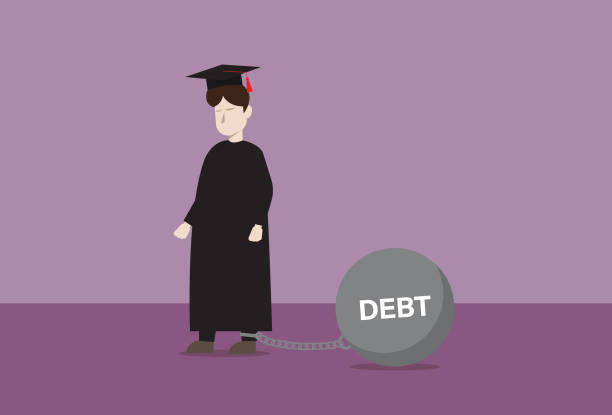
Buying a home while you still have student loans is possible, but it changes the math. A mortgage is not just the number the lender quotes you. It is principal, interest, property taxes, homeowners insurance, possibly private mortgage insurance, HOA fees, and maintenance. Your student loan payment is already a monthly obligation. Lenders look at your debt-to-income ratio, which compares all monthly debt payments to your gross monthly income. For a conventional loan, you generally want that ratio under 36 percent, though some lenders allow up to 43 or even 50 percent with strong credit and savings. Here is the catch: student loans count. Even if your loans are deferred or in forbearance, many lenders use one percent of the balance as a monthly payment. On income-driven repayment, some use your actual payment, but others do not. A $40,000 student loan balance can suddenly look like a $400 monthly payment, which cuts how much house you can afford.
Before you tour a single open house, calculate your real monthly cost. Add your student loan payment, car payment, credit card minimums, and current living expenses. Then add estimated mortgage principal and interest, property taxes, insurance, PMI if your down payment is under 20 percent, HOA dues, and maintenance. A good rule is to set aside one percent of the home’s value each year for repairs. If the total housing cost pushes your debt-to-income ratio above 36 to 40 percent, you are stretching. You might still get approved, but you may become house poor. House poor means you own a home and cannot afford anything else.
The down payment versus student debt question is mostly about interest rates and risk. If your student loans charge 7 percent and your mortgage charges 6 percent, paying extra on the loans gives you a guaranteed return. If your student loans are at 4 percent, saving for a down payment may make more sense. But do not drain your emergency fund for either one. Keep three to six months of expenses in cash. A house with no emergency fund is a foreclosure risk waiting for a bad month. A down payment of 5 to 20 percent changes your monthly payment and whether you pay PMI. A larger down payment helps, but not if it leaves you with zero dollars for a broken furnace.
Your credit score matters as much as your income. On-time student loan payments build history. Late payments hurt for years. Before applying for a mortgage, check your credit reports, dispute errors, pay down credit card balances, and avoid opening new credit. A pre-approval is not a permission slip to max out your budget. It is a ceiling, not a target. Just because a lender will give you $350,000 does not mean you should spend $350,000. Spend less. Keep margin.
Think about how long you will stay. Buying has upfront costs: closing costs often run 2 to 5 percent of the purchase price, plus moving and repairs. If you might move in three years, renting may be cheaper and smarter. Student debt already limits your flexibility. A house limits it more. Renting is not throwing money away. It buys you flexibility, maintenance-free living, and time to pay down debt. If your job, relationship, or city might change, wait.
If you decide to buy, ask your student loan servicer and lender how your payment will be calculated. This one question can change your approval amount. Look into first-time homebuyer programs, down payment assistance, and grants. They do not erase debt, but they can lower upfront costs. Read the fine print. Do not co-sign with anyone unless you can afford the whole payment yourself. A house is a big purchase. Student loans are a big debt. Both need a plan.
You can buy a home with student loans. You cannot buy a home with student loans and no margin. The goal is not to impress a lender. The goal is to keep your monthly life sustainable. If buying means no emergency fund, no retirement savings, and anxiety every month, wait. If buying means a stable payment, a reasonable debt-to-income ratio, and enough money left over to actually live, go for it. Do the math first. Your future self will thank you.