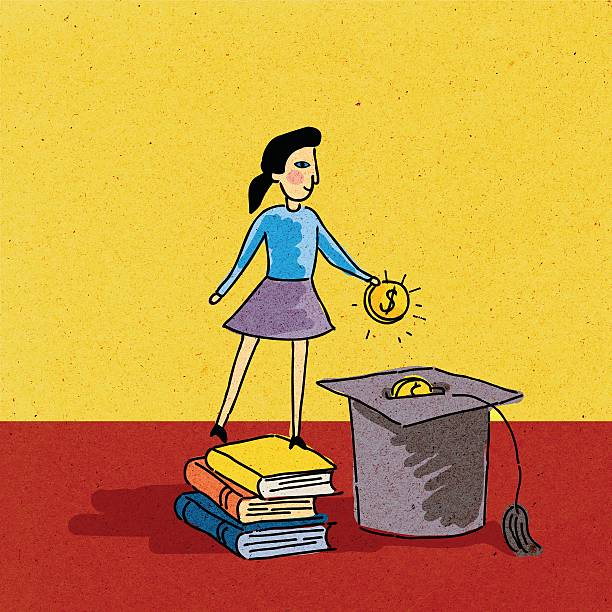
Summer money disappears if you treat it like a windfall. You get paid, cover gas and food, buy a few things you put off all year, and suddenly August is here with nothing to show for it. That is not a character flaw. It is what happens without a plan. If student debt is waiting, your summer paycheck needs a job after work. The goal is not to save every penny and be miserable. The goal is to send a clear, automatic message: some of this money is already spoken for, and future you gets first dibs.
Decide your split before the first paycheck lands. Waiting until the end of summer to see what is left is how people end up with zero. Pick simple percentages you can remember and adjust them once you know your real take-home pay. A useful starting point is half toward school and debt, a fifth toward emergency savings, a fifth toward taxes if they are not withheld, and the rest for living and fun. If that sounds too aggressive, shrink the fun slice but keep it real. A budget with no enjoyment is a budget you will abandon by June 15. Automate transfers on payday.
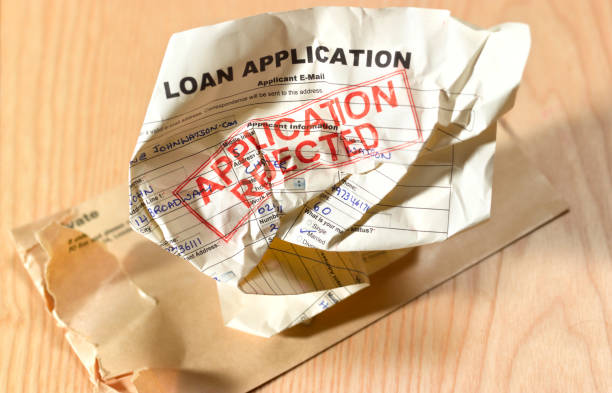
The strongest move is to use summer earnings to reduce how much you borrow next semester. That is debt prevention, and prevention is cheaper than repayment. If you know your fall tuition bill, send summer money directly to the school. If your financial aid package includes loans you do not need, decline them or return excess funds within the allowed window. Ask your financial aid office about the deadline. If loans have already disbursed, you can still pay the unsubsidized ones. Every dollar you do not borrow is a dollar that will never grow with interest. Unsubsidized and private loans accrue interest in school, which then capitalizes and charges interest on interest. Paying that interest now saves money later.
Not all debt deserves the same urgency. Subsidized federal loans generally do not accrue interest in school, so they are less urgent. Private and unsubsidized federal loans are where summer cash does the most damage control. But do not ignore your emergency fund. A small buffer of five hundred to a thousand dollars can keep a car repair, medical bill, or broken laptop from landing on a credit card at twenty-something percent interest. Student debt is heavy, but credit card debt is a trap. Keep emergency money separate and define emergency narrowly. A concert is not an emergency. A broken transmission is.
If you work gigs, freelance, or a job that does not withhold taxes, act like your own payroll department. Set aside a chunk of every payment for taxes, often around a quarter to a third depending on your income and state. Put it somewhere boring and do not touch it. Pay quarterly estimated taxes on time and keep records. Boring, but it prevents an April surprise. Also check how your earnings could affect next year’s financial aid. Student income has some protection, but it is not unlimited. Before you turn down a job or hide income, talk to your financial aid office. Do not trade a paycheck for an aid problem.
Then protect yourself from lifestyle creep. When friends plan trips, dinners, and festivals, it is easy to spend money you already assigned to tuition. Give yourself a guilt-free fun allowance. When it is gone, it is gone. Use a separate account or cash so you feel the limit. Say yes to cheap things instead. The point is to avoid waking up in September with a maxed card and no progress. That is not deprivation; it is control.
Finally, think net, not gross. Net pay matters more than hourly pay. A paid internship can beat retail long term. Overtime is great until burnout costs you the next shift. Automate your split, check in every payday, and adjust without shame. Even fifty dollars a week across twelve weeks is six hundred dollars. That can cover books, knock down interest, or keep you from borrowing again. Summer is temporary. The choices you make with it can follow you for years. You do not need a perfect summer, just a deliberate one.