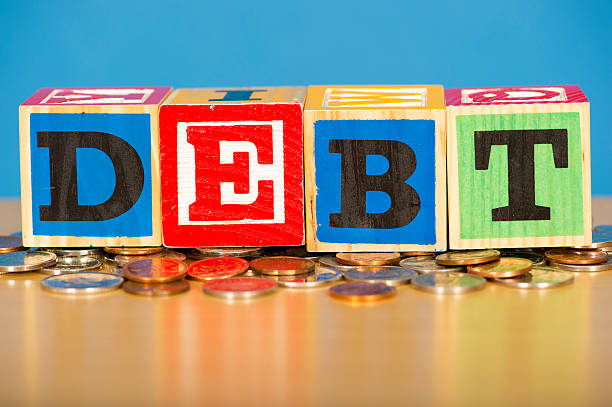
If you have student loans, you’ve heard the headlines. The government proposed wiping out up to $20,000 in federal student debt for millions of borrowers, and depending on who you ask, it’s either a lifeline or a political stunt. Strip away the noise and there’s a real question underneath: what does this actually do for your budget? That’s the version worth understanding, because even if you never see a dollar of forgiveness, the policy fight shaping up around it will affect your payments, your tax bill, and your plans for the next decade.
Start with the basics of what was proposed. Borrowers earning under $125,000 a year, or $250,000 for married couples filing jointly, would have gotten up to $10,000 in federal loan cancellation. If you received a Pell Grant in college, that number doubled to $20,000. Roughly 43 million people qualified. For someone carrying $30,000 in debt, that’s not pocket change. It’s a car that doesn’t break down, a security deposit, or six months of breathing room.
Then there’s the piece that got less attention but might matter more: the payment cap. Under the proposed income-driven repayment changes, your monthly bill would be capped at five percent of your discretionary income instead of the old ten percent. If you make $52,000 a year, that’s roughly the difference between paying about $150 a month and $75. Over a year, you keep nearly $1,000. Over the life of the loan, it changes how fast you can save, move out, or start a family.
The third leg of the stool is the forgiveness clock. If your balance isn’t paid off after twenty or twenty-five years of qualifying payments, the rest goes away. For public service workers, it’s ten years. This part already existed, but the proposal made more payments count and fixed some of the administrative mess that kept people stuck in limbo for years.
Now the reality check. Court challenges stalled the mass forgiveness plan, and its future is genuinely uncertain. Some states planned to tax the forgiven amount as income. The federal tax exemption on forgiven student debt expires at the end of 2025, so depending on your bracket, a $20,000 cancellation could come with a tax bill of a few thousand dollars. That’s the kind of detail that turns a celebration into a headache if you don’t plan for it. If forgiveness comes through, set aside 15 to 25 percent of the amount in a savings account until you know your tax situation.
Here’s the harder truth. This plan, even fully implemented, treats the symptom, not the disease. It’s a one-time patch on a system that lets eighteen-year-olds sign up for six-figure debt before they can legally rent a car. It doesn’t touch tuition costs that rise faster than inflation every single year. It doesn’t stop the next class of borrowers from ending up in the same hole. Critics on both sides make fair points: the cost runs into the hundreds of billions, and there are real questions about fairness to people who paid their loans off or never went to college at all. A welder who paid off a truck loan doesn’t get a check. Whether that bothers you is a values question, not a math one.
What it does do is acknowledge that the math stopped working a long time ago. The average borrower owes around $37,000 and takes two decades to pay it off. Meanwhile, wages for entry-level jobs haven’t kept pace, and housing costs have eaten the difference. When payments squeeze out the ability to buy a home, start a business, or save for retirement, the damage isn’t just personal. It’s economic drag on the whole country. That’s the argument policy people make, and it holds up.
So what should you actually do with all this? Don’t wait for Washington. Log into your loan servicer’s website this week and check which income-driven repayment plan you’re on. If your payment feels impossible, you have options right now. Public Service Loan Forgiveness is real if you work for a qualifying employer, and the paperwork is finally less nightmarish than it used to be. Every payment you make should count, and too often it doesn’t because of administrative errors. Call and confirm.
The smartest move is to treat any forgiveness like a bonus, not a plan. Budget as if it’s not coming. If it lands, you’re ahead. If it doesn’t, you were never counting on it. That’s the no-nonsense version. Politics will keep moving. Your loan balance won’t wait.