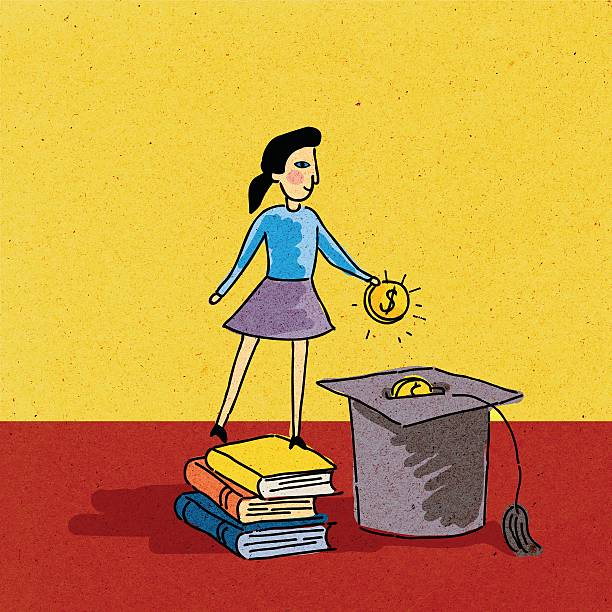
You’ve spent the last three months sweating through a summer job. Maybe you were waiting tables, stocking shelves, lifeguarding, or working a desk job. Either way, you’ve got a chunk of cash in your bank account right now that feels like a small fortune. The instinct for most students is to either blow it all on a well-deserved vacation or let it sit in a checking account where it slowly gets eaten by food delivery apps and random Target runs.
Stop. Before you swipe that card, you need a plan. This money isn’t just a reward for surviving the heat; it is ammunition for the upcoming school year. The difference between graduating with a manageable debt load and graduating with a crushing one often comes down to how you handle these summer earnings. You need to be ruthless with this cash.
First, you have to accept a hard truth: your summer earnings are not “fun money.“ They are “future stability money.“ The biggest mistake students make is treating their summer job income as a raise in their standard of living. They upgrade their apartment, buy a new laptop, or eat out every night because they feel rich. You aren’t rich. You are temporarily liquid. If you want to survive student debt, you have to live during the school year like you did during the summer—or better yet, like you’re broke, because functionally, you are.
The most effective strategy is the “Income Replacement” method. Calculate your monthly expenses for the school year. That includes rent, utilities, groceries, gas, and yes, your minimum student loan payments if they are due. Once you have that number, your goal is to use your summer savings to create a buffer that covers as many of those months as possible. This isn’t just about paying down the principal on your loans right now; it’s about reducing the amount of new debt you have to take on during the semester.
Think about it. If you use this summer’s cash to pay for your groceries in September and October, you don’t have to use your credit card for those expenses. You don’t have to ask your parents for help. You don’t have to take out an additional unsubsidized loan for “living expenses.“ That is the silent killer of student finances. Every dollar you spend from your summer savings during the school year is a dollar of interest you aren’t paying on a future loan.
Now, where should this money physically sit? If you leave it in your checking account attached to your debit card, you will spend it. That is a guarantee. You need friction. Open a separate high-yield savings account. Transfer the bulk of your summer earnings there. Make it annoying to get to. Don’t link the card to your Apple Pay. If you have to log into a different bank app and transfer funds, wait two days, and then use it, you are less likely to buy dumb stuff. You need to trick your own brain into thinking the money doesn’t exist.
Another critical move is to make a bulk payment on your student loans the moment the school year starts. If you have unsubsidized loans that are accruing interest while you are in school, paying them down now saves you money in the long run. It feels painful to send a thousand dollars to a loan servicer when you could buy a used car or a new wardrobe, but the math is undefeated. Interest accrues daily. A payment made today saves you more than a payment made five years from now. If you can knock out even a small portion of that principal, you reduce the capitalization that happens when you graduate.
But let’s be realistic. You also need a small “Sanity Fund.“ You cannot live on rice and beans in a dark room for nine months; that leads to burnout, and burnout leads to reckless spending. Set aside a small amount—maybe ten percent of your earnings—for actual fun. Use it for a concert, a road trip, or a nice dinner. The rest goes to work. It either sits in your savings account paying your bills or it goes straight to the loan servicer.
The bottom line is that you are trading current comfort for future freedom. Every dollar you save from your summer job is a dollar you don’t have to borrow later. Every dollar you borrow later costs you interest, and that interest costs you years of your life. Don’t let a summer of hard work evaporate in a month of careless spending. Treat your summer earnings like a business decision, and your future self will thank you when you actually have a paycheck you can keep.