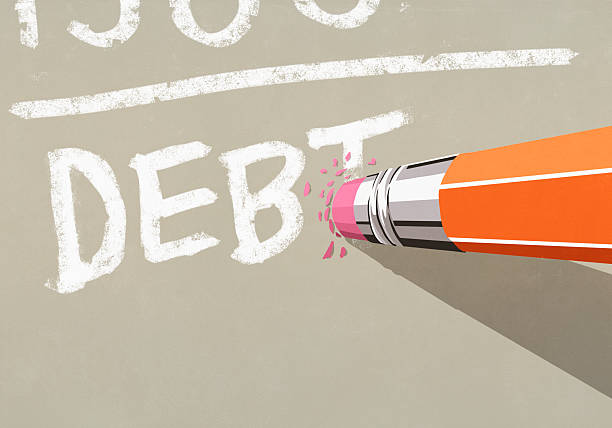
Student debt doesn’t hit every borrower the same way. Two people can graduate with the same diploma, same major, same GPA, and end up with different debt loads, different interest rates, and different options. That isn’t because one person is smarter or more disciplined. It’s because race and income shape how much you have to borrow, how fast you can pay it back, and how much of a cushion you have when life goes wrong.
The racial gap in student debt is real. Black students are more likely to borrow, borrow more, and still owe more years after graduation. Latino borrowers also face higher default rates. First-generation students and those from low-income families often take on debt just to cover basics like housing, food, and transportation. Wealthier classmates get help from parents, inherit down payments, and can take unpaid internships. You may be working thirty hours a week while they build their resume for free. That gap follows you after graduation.
The income side is just as brutal. Pell Grants help, but they haven’t kept up with tuition. Low-income students often attend for-profit or underfunded schools with fewer resources and worse job pipelines. They may graduate with credentials that employers undervalue. Then they enter a job market where starting salaries are lower, while interest keeps compounding. If you’re also helping family pay bills, your loan payment competes with rent, groceries, and childcare. That’s not a budgeting failure. That’s a math problem created by a system that treats education as a personal responsibility but prices it like a luxury good. A degree that pays off for someone with a family safety net can become a debt sentence for someone without one.
The worst move is to ignore your loans because you’re ashamed or overwhelmed. Shame is expensive. It leads to missed payments, default, wage garnishment, and wrecked credit. Instead, get brutally specific. Log into your loan servicer and list every loan: federal or private, balance, interest rate, and monthly payment. Federal loans come with protections that private loans don’t. If you have federal loans, look into income-driven repayment. Your payment can be capped at a percentage of your income, and if your income is low, it can be as little as zero. Those months can still count toward forgiveness. Recertify every year. Don’t assume you know the rules.
If you work for a government agency or a qualifying nonprofit, look at Public Service Loan Forgiveness. It takes 120 qualifying payments, and the paperwork matters. Certify your employment every year so you don’t find out at the end that you were in the wrong plan. If you’re a teacher, nurse, social worker, or public defender, this can wipe out a life-changing amount. Don’t refinance federal loans into a private loan unless you are absolutely sure you’ll never need forgiveness, disability discharge, or income-based payments. The lower interest rate can be a trap.
Also, don’t accept the first salary offer. For borrowers of color especially, pay discrimination and negotiation bias can cost thousands over a career. Research the market range, write down your wins, and ask for more. A five-thousand-dollar raise does more for your debt than most coupon apps. If your employer offers tuition reimbursement or loan repayment assistance, use it. Ask about it even if it’s not advertised. If you’re in a public service job, your state may have its own repayment program. These benefits are not charity. They’re part of your compensation.
Build a tiny buffer, even while paying debt. Five hundred dollars in savings can keep a car repair from becoming a payday loan. If you have a tax refund, split it: a little to savings, the rest to the highest-interest loan. If you’re supporting family, set clear boundaries about what you can and cannot cover. You cannot help anyone if you default. And if you’re drowning, call your servicer, ask for a supervisor, or contact a nonprofit credit counselor. You don’t need a perfect plan. You need the next right step.
Racial and income disparities in student debt are structural, not personal. They were built by policy, wealth gaps, and labor markets. But the rules still have doors. Learn them, use them, and don’t let shame keep you outside. Your debt is not your identity. It’s a problem to manage, one payment, one form, one raise at a time.