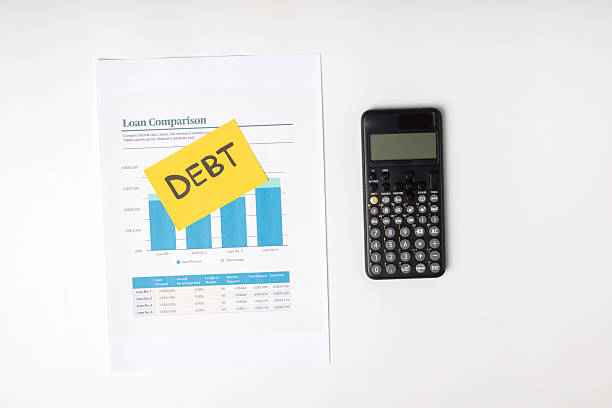
Your student loan servicer is the company that sends bills, processes payments, answers calls, and handles paperwork. It is not always the company that lent you the money. For most federal loans, the U.S. Department of Education owns the loan and hires a servicer to manage it. For private loans, the servicer may work for the lender. Knowing who your servicer is matters because paying the wrong company or missing a transfer notice can lead to late fees, credit damage, and stress.
To find your servicer, log into StudentAid.gov with your FSA ID. It lists your federal balances, loan types, and servicers. For private loans, check your credit report, old statements, and emails. Write down the servicer name, account number, phone, and website. Save it where you can find it fast. If you are not sure whether a loan is federal or private, start with StudentAid.gov. If it does not appear there, it is likely private.
While you are in school, your servicer tracks enrollment and applies in-school deferment if you are enrolled at least half-time. You usually do not have to pay, but unsubsidized loans still accrue interest. That interest can capitalize after school and start charging interest too. If you can pay even a little now, ask your servicer to apply it to unsubsidized interest or principal. Confirm each term that deferment is active. Schools report enrollment, but mistakes happen.
Servicers change. Federal loans get transferred often. You should get a notice. Do not ignore it. The new servicer may have a different website, address, and due date. Create your online account right away. Verify balance, interest rates, repayment plan, payment amount, and due date. If you use auto-pay, set it up with the new servicer and confirm it is active before canceling the old one. Keep confirmation numbers.
If a payment is due during a transfer, keep paying. A transfer does not pause your obligation. If you send money to the old servicer, it may be forwarded, but it can still be late. If you cannot pay, contact the new servicer before the due date. Ask about deferment, forbearance, or income-driven repayment. Do not just stop paying. Delinquency gets reported to credit bureaus.
For federal loans, servicers handle standard, graduated, extended, and income-driven repayment plans. Income-driven plans can lower your payment, but you usually recertify income every year. If your servicer changes, recertification can get lost. Save proof of everything. If you are pursuing Public Service Loan Forgiveness, payments count only under the right plan and rules. Check your count and submit employer certification yearly. Servicer errors happen, so records are your best defense.
Private loans are different. Your servicer may not offer income-driven plans or forgiveness. Ask about deferment, forbearance, cosigner release, and auto-pay discounts. Refinancing can lower your rate, but you may give up federal protections. A lower interest rate is only a win if you can handle the loss of safety nets. Run the numbers before signing.
When you contact your servicer, use your online account first. If you call, write down the date, time, representative’s name, and what they said. Ask for written confirmation. Follow up if you do not get it. Do not rely on memory or a vague promise. You are your own record keeper.
Watch out for scams. Companies may charge to “fix” loans or promise forgiveness. You can do almost everything for free through StudentAid.gov and your servicer. Never pay upfront or give out your FSA ID. Scammers use official-sounding names and spoofed numbers. Look up contact info from a trusted source.
During school, check your servicer account every month, even if you owe nothing. Confirm enrollment, address, email, and loan status. Know when your grace period starts, usually six months after you graduate or drop below half-time. Plan your first payment before it hits. If you can pay unsubsidized interest now, do it. If not, know what capitalization will cost. Your servicer is a bureaucracy, not a friend or enemy. Manage it with clear eyes and good records.