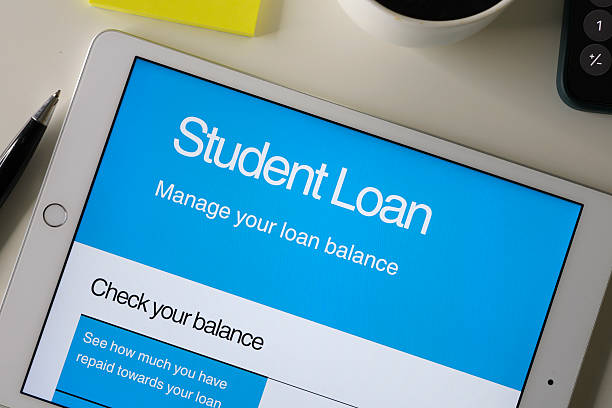
You finally did it. You made that last payment on your student loan. You log in to your bank account, see a zero balance, and feel a massive weight lift off your shoulders. You might even treat yourself to a nice dinner to celebrate. A few weeks later, you check your credit score expecting a victory lap, only to find that your score has actually dropped. It feels like a bad joke. How can getting rid of debt hurt your credit? It is one of the most frustrating paradoxes of personal finance, but it happens to plenty of people. Understanding why this happens is the first step to making sure it doesn’t mess up your plans for buying a car or a house.
To understand why your score takes a hit, you have to understand what credit bureaus actually value. They aren’t just looking at whether you pay your bills; they are looking at how you manage different types of debt over a long period. When you pay off an installment loan like a student loan, you are closing an account. Closing an account changes two specific things that make up your credit score: your credit mix and your average age of accounts.
Let’s talk about the credit mix first. Lenders like to see that you can handle different kinds of debt. They want to see that you can manage a revolving account, like a credit card, where the payment changes based on how much you spend. They also want to see that you can handle an installment loan, like a student loan or a car note, where you pay a fixed amount every month for a set number of years. Having a student loan in the mix actually helps you here. It proves you can commit to a long-term payment plan. When you pay it off and the account closes, you lose that variety. If you only have credit cards left, your credit mix looks less diverse to the scoring models, and your score can dip slightly.
Then there is the age of your accounts. This makes up a significant chunk of your score. Generally, the older your accounts are, the better. A student loan is often the very first credit account a person ever opens. By the time you pay it off ten years later, it is likely your oldest account. When that account closes, it no longer counts toward the average age of your open accounts. Suddenly, your credit history looks much shorter. If your next oldest account is only five years old, the credit bureaus now see you as someone with a shorter history, which makes you look slightly riskier to lenders. This is especially painful for millennials and Gen Z, who haven’t had decades to build up a long history of other accounts.
There is also a psychological factor that trips people up. When you are paying off student loans, you are in “survival mode.“ You are making that payment every month like clockwork. Once the loan is gone, that payment disappears from your monthly budget. It is very easy to let your guard down. You might forget to check your credit card balance or miss a due date because you are so used to having that extra cash flow. A single missed payment on another account can do far more damage than closing the student loan did. You have to stay vigilant.
The good news is that this drop is usually temporary. It is a blip, not a permanent scar. As long as you keep your other accounts in good standing and keep your credit card balances low, your score will recover. In fact, in the long run, having less debt is always better for your financial health. A lower debt-to-income ratio will help you qualify for mortgages and car loans, even if your credit score is a few points lower than it was before. Lenders look at the full picture, not just the three-digit number.
If you are approaching the end of your student loan journey, don’t panic if you see a dip. It is just the system adjusting. Keep your credit cards active but paid off, maybe open a new line of credit if you need to diversify, and give it time. The goal isn’t just to have a high score; it is to be debt-free and financially stable. A temporary dip is a small price to pay for getting that monkey off your back. Focus on the freedom of having that money back in your pocket every month, and let the credit score catch up on its own.