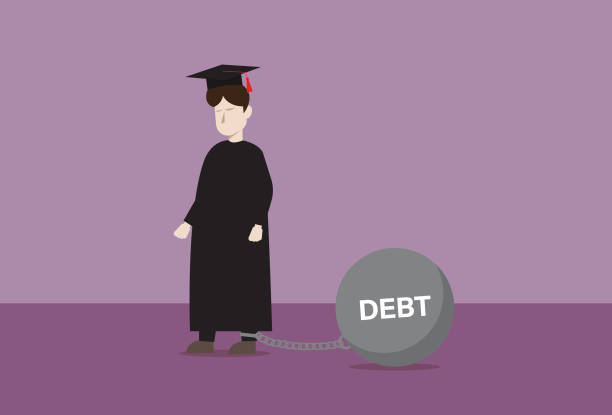
The award letter is a menu, not a mandate. It lists the maximum you can borrow, not what you should. Many students accept the full amount because it’s easy, and that’s where the trouble starts. You are borrowing against a future paycheck. Every dollar you take today costs more later, thanks to interest and fees. So before you sign anything, figure out the real gap between your direct college costs and the money you already have.
Start with the cost of attendance. That number includes tuition, fees, housing, meals, books, transportation, and personal expenses. Some schools overestimate personal costs, so use your actual numbers. If the school says books cost $1,200 but you rent used copies for $400, use $400. Then subtract grants, scholarships, work-study, savings, family contributions, and income from a part-time job. The remaining gap is what you might need to borrow. Not the full award. That difference matters more than almost anything else.
Don’t borrow for wants. A student loan is not a lifestyle upgrade. Spring break, a new laptop when your old one still works, a car payment, dining out, concert tickets—none of that belongs in your loan balance. Borrow only for required education expenses. If you need a laptop, buy a cheap reliable one, not the top-tier model. If you need transportation, consider a bus pass instead of a new car loan. If you’re borrowing to live, keep housing modest and get roommates. Cook at home, use student discounts, and build a small emergency buffer only if it keeps you from putting a broken tooth on a credit card. Every $10,000 you borrow can mean more than $100 per month for ten years, depending on the rate. That’s money you can’t spend on rent, emergencies, or retirement.
Understand loan types before you accept anything. Federal Direct Subsidized loans don’t accrue interest while you’re in school at least half-time, during grace, or in deferment. Unsubsidized loans do accrue. If you have subsidized eligibility, use it first. Then unsubsidized. Then maybe Grad PLUS or parent PLUS if necessary. Private loans should be last because they often have fewer protections, variable rates, no income-driven repayment, and no forgiveness in most cases. If you must borrow, fill out the FAFSA, accept federal loans, complete entrance counseling, and sign the Master Promissory Note. That note is a legal promise to repay. Read it. But the amount you choose still matters more than the paperwork.
Watch the fees and interest. Federal loans charge an origination fee that is deducted from each disbursement. So if you accept $5,500, you might get less than $5,500. Budget for that. Also understand interest capitalization. If you don’t pay interest while in school, it gets added to your principal, and then interest charges interest. That can make your balance grow while you’re still taking classes. Try paying at least the interest on unsubsidized loans while in school if possible. Even $25 a month helps. When you graduate, you’ll choose a repayment plan. Income-driven plans can cap payments, but they can also stretch your debt for twenty or twenty-five years. That’s a long time to have a monthly bill following you.
Refund checks are the sneaky part. After tuition and fees are paid, leftover loan money goes to you. It feels like a paycheck. It is not. It is borrowed money. Use it for rent, food, transportation, and books. If you have leftover money, return it within the allowed window, usually 120 days, to reduce your debt and interest. Contact the financial aid office and ask how. Don’t blow it on a new phone or a weekend trip. And reassess every semester. Maybe you got a scholarship, moved to a cheaper place, or picked up more hours. You can decline or reduce loans later. You don’t have to take the same amount every year.
A simple rule can keep you out of trouble. Estimate your first-year salary after graduation. Keep your total student debt below that number if possible. If you’ll make $45,000, try not to owe $80,000. That math rarely works. If you’re already deep, focus on finishing efficiently and paying strategically. Before you sign, ask whether the expense is required, whether there’s a cheaper way, whether you can work or cut costs, whether you can pay interest now, and whether this loan will have a reasonable payment after graduation. If the answer is no, reduce it. Student loans can be a tool, but only if you control the amount. Don’t let the award letter control you.