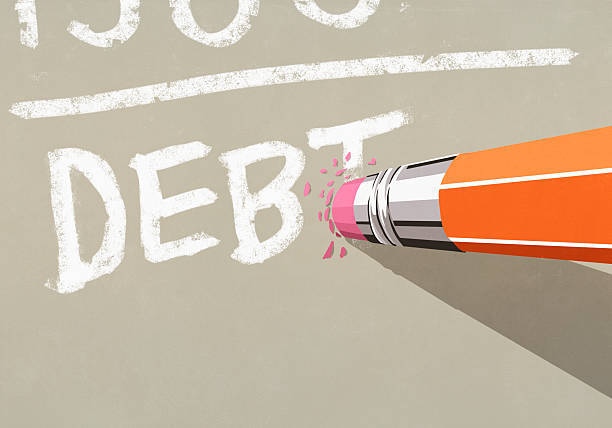
Lenders do not see student debt and automatically slam the door. They see a number: your debt-to-income ratio. That ratio is your minimum monthly debt payments divided by your gross monthly income. Student loan payments count. So do car loans, credit cards, personal loans, and the mortgage you want. If you can keep that ratio in a range lenders like, usually around 36% to 43% for conventional loans, you have a shot. If it is higher, you need to fix the math before you shop.
The tricky part is how lenders count student loans. If you are on an income-driven repayment plan with a documented payment, many lenders use that actual payment. If your payment is $0 or your loans are deferred, some lenders will still count a percentage of your balance, often 1%, because they do not trust that the payment will stay low. Others may exclude deferred loans if you have at least twelve months of deferment left. The rules vary by loan type and lender. Ask directly: “How will you calculate my student loan payment?“ Get it in writing. Do not assume your $0 payment is invisible.
Before you fall in love with a house, run your own DTI. Add up your monthly minimum payments, including student loans. Then estimate the full housing payment: principal, interest, property taxes, homeowners insurance, mortgage insurance if applicable, and HOA dues. Divide by your gross monthly income. For example, if you make $5,000 a month and your debts plus housing come to $2,000, your DTI is 40%. That might work, but it leaves little room for error. A lower DTI gives you more breathing room and better terms. That is why it helps to pay down credit cards or a car loan before you apply, even if student loans stay the same.
Down payment and cash reserves are the next hurdle. Student debt often makes saving harder, but you do not always need 20% down. FHA loans allow 3.5% down. Some conventional loans allow 3%. VA and USDA loans can allow 0% for eligible buyers. The catch is that low down payments often come with mortgage insurance, higher monthly payments, and stricter debt limits. You also need closing costs, moving costs, and an emergency fund. Do not drain every dollar to buy the house. If the water heater dies the week after closing, you need cash.
Your credit score matters too. Student loans build credit when you pay on time. They hurt when you miss payments or let them default. Keep utilization on credit cards low, avoid opening new credit before applying, and check your reports for errors. Servicer transfers are common, and mistakes happen. Dispute anything wrong. A raised score can lower your mortgage rate and save tens of thousands over the life of the loan.
If you are buying with a partner, remember that the lender counts both people’s debts if you both apply. One person’s student loans can sink a joint application even if the other person has clean credit. Run the numbers both ways. Sometimes it makes sense to buy alone, sometimes to wait, and sometimes to buy a cheaper place together. Do not hide debt. Mortgage fraud is not a strategy.
Look for first-time homebuyer programs and down payment assistance. Many states, cities, and nonprofits offer grants or low-interest loans. Some are for teachers, nurses, veterans, or buyers in certain neighborhoods. Ask lenders about professional mortgage programs if you are a doctor, dentist, lawyer, or other high-income borrower with high student debt. Some programs ignore or discount student loans because they expect your income to rise. If that is you, ask.
Finally, buy less house than you qualify for. The bank’s maximum is not your budget. A mortgage payment that looks fine on paper can feel brutal when student loan payments restart, renters move out, or a car dies. Keep your housing payment low enough that you can still save, travel, and handle surprises. Homeownership with student debt is possible, but it is math, not magic. Get your DTI down, save cash, protect your credit, and choose a payment you can live with. A smaller house now can mean a bigger life later.