
Personal Finance Beyond Debt

Buying a Home

How Student Loans Affect Buying a Home (and How to Get Approved Anyway)
Buying a Home

How Student Loans Affect Buying a Home (and How to Get Approved Anyway)

Lenders do not see student debt and automatically slam the door. They see a number: your debt-to-income ratio. That ratio is your minimum monthly...

2 months ago Read More
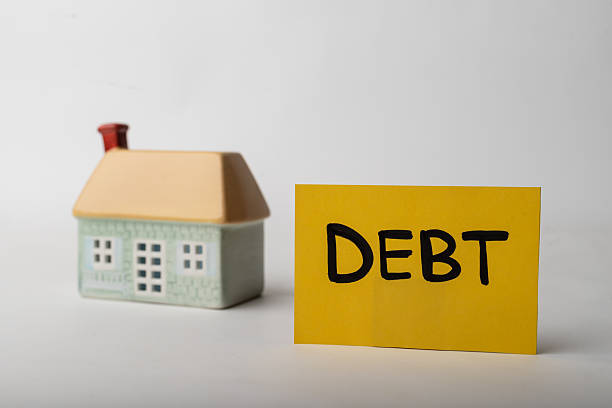
Can You Buy a Home While Paying Off Student Loans?
Buying a Home

Can You Buy a Home While Paying Off Student Loans?

Yes, but you need to be honest about the math. Student loans don’t automatically lock you out of homeownership. They do change what you can afford...

2 months ago Read More

How to Buy a House When You Still Owe Student Loans
Buying a Home

How to Buy a House When You Still Owe Student Loans

Student loans do not automatically lock you out of homeownership. They make the math tighter, but lenders are not judging your choices. They want to...

2 months ago Read More

How to Buy a Home When Student Loans Are Still Hanging Around
Buying a Home

How to Buy a Home When Student Loans Are Still Hanging Around

You can buy a home while you still have student loans. The debt does not automatically lock you out of homeownership. They check your credit score...

3 months ago Read More

How to Buy a Home When You Still Have Student Loans
Buying a Home

How to Buy a Home When You Still Have Student Loans

Student loans do not lock you out of homeownership, but they change the math. Lenders look at your monthly obligations compared with your monthly...

3 months ago Read More
How to Buy a Home With Student Debt Without Blowing Your Budget
Buying a Home

How to Buy a Home With Student Debt Without Blowing Your Budget

Student debt can feel like a ball and chain, but it does not automatically lock you out of homeownership. Lenders care less about the total amount...

3 months ago Read More

How to Buy a Home When You Have Student Debt
Buying a Home

How to Buy a Home When You Have Student Debt

Student debt does not cancel your dream of owning a home. It changes the math. Lenders do not care that your loans paid for a degree that might raise...

5 months ago Read More

Retirement Saving While Paying Off Student Loans: Start Small, Stay Consistent
Retirement Planning

Retirement Saving While Paying Off Student Loans: Start Small, Stay Consistent

If you’re juggling student loan payments and wondering whether retirement can wait, here’s the short answer: waiting is expensive. The longer you...

1 day ago Read More
Your Tax Refund Is Not a Bonus: A Young Adult’s Guide to Taxes and Student Debt
Taxes for Young Adults

Your Tax Refund Is Not a Bonus: A Young Adult’s Guide to Taxes and Student Debt

A tax refund can feel like a windfall. It is not. It is your money that the government held all year because too much was withheld. That does not...

2 days ago Read More

How to Build a Side Hustle That Actually Pays Off While You’re Still Paying Off Student Loans
Side Income

How to Build a Side Hustle That Actually Pays Off While You’re Still Paying Off Student Loans

The fastest way to make a side hustle useless is to start five of them. Most people with a full-time job and a student loan balance have somewhere...

4 days ago Read More

Disability Insurance: The Student Loan Safety Net You Probably Ignore
Insurance Needs

Disability Insurance: The Student Loan Safety Net You Probably Ignore

Student loans don’t pause when you get hurt. If you break your leg badly, get cancer, or burn out so hard you can’t work, payments still come due...

6 days ago Read More

The Student Loan Interest Deduction: A Tax Break You Shouldn’t Ignore
Taxes for Young Adults

The Student Loan Interest Deduction: A Tax Break You Shouldn’t Ignore

Student loan interest is one of the few tax breaks that puts money back in your pocket while you’re paying off debt. If you paid interest on a...

9 days ago Read More
FAQ

Frequently Asked Questions

Lenders include your monthly student loan payment (or a calculated estimate, if you're on an income-driven plan) in your debt-to-income ratio, which is one of the key numbers used to decide how much you can borrow. It's worth asking a lender directly how they'll calculate this for your specific loan situation before house hunting.

Yes, plenty of people do — lenders look at your overall debt-to-income ratio, credit score, and down payment rather than requiring debt to be paid off first, though a high loan payment relative to income can limit how much you qualify to borrow. Paying down other debt or increasing income before applying can improve your approval odds and terms.

It depends on how the couple structures their finances, but a large loan payment on one side effectively reduces the household's combined discretionary income, so it's worth factoring into shared goals like buying a home or saving for a family. Being upfront about the debt and its repayment plan early tends to prevent it from becoming a source of tension later.

Many people find it helpful to separate savings by purpose — one for emergencies, another for a specific goal like travel or a big purchase — since it makes it easier to see progress and less tempting to dip into emergency funds for non-emergencies. It's a matter of personal organization rather than a financial requirement.

There's no single right answer — some couples fully combine accounts, others keep everything separate and split shared expenses, and many use a hybrid with a joint account for shared bills alongside individual accounts. What matters most is agreeing on the approach together and being transparent about debts, including student loans, before merging any finances.