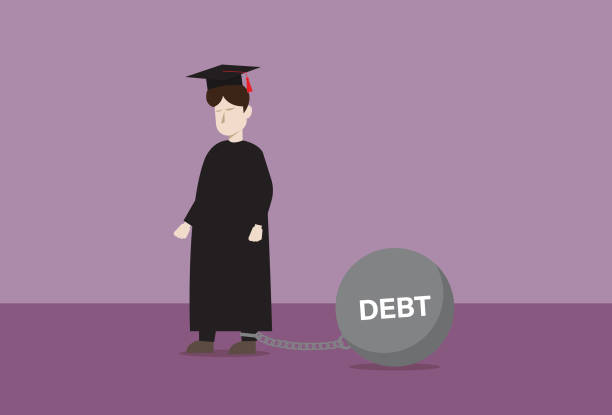
Student loans are not free money with a delay button. Every dollar you borrow today follows you after graduation with interest. Avoiding extra borrowing is not complicated, but treat loan money like a tool, not a paycheck. Before each semester, find out exactly how much your school will disburse and what it is supposed to cover. Then compare that number to your real life. Tuition, fees, books, transportation, housing, food, phone, insurance, and a small emergency buffer are needs. Late-night takeout, spring break, upgraded laptops, and concert tickets are not. If you borrow for those things, you are paying interest for years on a memory.
Start with the financial aid office, not your friends. Ask what happens if you accept less than the full loan offer. Many students do not realize they can reduce or decline part of a loan before disbursement. You can often accept only what you need for tuition and essential living costs. If you accepted too much, ask whether you can return or cancel part of it within the school’s allowed window. This one move can save you hundreds or thousands in principal and interest. Do not assume you must take the maximum just because it was offered.
Build a semester budget using real numbers. Look at last month’s bank statement and write down where your money actually went. That is your baseline, not the ideal you who cooks every meal and never buys coffee. Once you know your baseline, cut the obvious waste and redirect that money toward your gap. Maybe you can live with one roommate instead of two, choose the cheaper parking pass, or use public transit. Maybe the campus meal plan is costing more than groceries. A budget is not a punishment. It is a plan that tells your money where to go before it disappears.
Watch your refund check. For many students, the refund is the biggest trap. It lands in your bank account and feels like income. It is borrowed money meant to cover living expenses for the whole semester. Divide the refund by the number of weeks in the term. If you spend it in three weeks, you will be swiping a credit card or borrowing again by midterms. Put the refund in a separate account and move only your weekly amount into checking. If you have extra at the end of the semester, use it to pay down the loan or return it if allowed.
Work, but protect your grades. A part-time job, work-study, paid internship, or side gig can reduce how much you borrow. You do not need to work forty hours, but even ten to fifteen hours a week can cover groceries, gas, or books. On-campus jobs often work around your class schedule. Freelancing, tutoring, dog walking, or weekend shifts can also help. The goal is not to be a hero. The goal is to shrink the gap between what school costs and what you can pay. If work starts hurting your grades, cut back. You are in school to graduate, not to win a burnout contest.
Get comfortable asking for help before you borrow. Apply for scholarships even when they are small. Check if your school has emergency grants, food pantries, or textbook lending programs. Ask professors if an older edition of a textbook is acceptable. Rent books or buy used. Split streaming accounts. Use student discounts. Call your insurance company and ask for a lower rate. Extra borrowing often happens because students do not know what else to do, and there is almost always something else to do.
Finally, decide on a borrowing limit before you sign anything. Write down the maximum amount you are willing to owe when you graduate. Then work backward each year. If a loan would push you over that line, do not take it automatically. Talk to a financial aid advisor. Look for cheaper housing, more work hours, or a payment plan. You may need to borrow something. That is okay. The point is to borrow with your eyes open, not to drift into a bigger balance because it was easy. Your future self will thank you for every dollar you did not borrow today.