The mid-semester loan top-up is the quiet trap of student debt. Your refund covers rent and books, then the car breaks down or your meal plan runs out. You log into the financial aid portal and see a button for more loans. It feels like a lifeline. It is a bill with interest attached. Avoiding it takes honesty and a little planning.
Start with your real monthly gap. Add rent, utilities, phone, groceries, transportation, insurance, prescriptions, minimum debt payments, and required school costs. Divide your semester refund by the months it must last. If you get three thousand dollars for four months, that is seven hundred fifty a month. If expenses are eleven hundred, your gap is three hundred fifty. A top-up is rarely a surprise. It is math catching up.
Build a small buffer before you need it. You do not need a huge emergency fund. You need enough to stop a flat tire or copay from becoming a loan. Aim for five hundred dollars, then one month of your gap. Sell old electronics, pick up shifts, deliver food, tutor, pet sit, or work a campus job that lets you study. Put twenty-five dollars a week aside. When you have a buffer, you stop using credit as survival.
Cut fixed costs before you cut every latte. Cheaper phone plans, roommates, splitting streaming, used books, and meal plan changes save more than skipping coffee. If you lower a monthly bill by one hundred dollars, that is four hundred dollars over a semester. That is four hundred dollars less you might borrow. Renegotiate what you can. Cancel what you do not use.
Use a cash flow calendar. Write down every date money comes in and goes out. Rent, paychecks, refunds, credit card due dates, and subscriptions all go on it. If a week shows negative, fix it before it happens. That might mean an extra shift, a payment plan, or a buy-nothing week. Panic borrowing happens when you ignore the calendar until the overdraft fee shows up.
Separate needs from wants without shame. Needs are shelter, food, utilities, transportation to work or class, and medication. Wants are delivery, new clothes, concerts, and upgrades. If you cannot pay cash and still cover needs, it is a no. Set a small fun budget, maybe forty dollars every two weeks. When it is gone, it is gone. Fun financed by debt is not fun later.
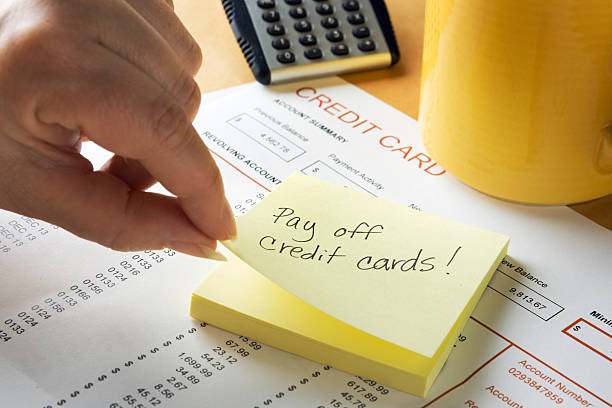
Treat credit cards like a power tool. If you use one, pay the statement balance in full every month. If you cannot, you are borrowing. Put the card in a drawer or freeze it. Use debit or cash for everyday spending. A six-dollar burrito on credit can become a ten-dollar burrito after interest if you carry it.
Do not accept more loans just because the portal makes it easy. When you feel the urge, wait forty-eight hours. Run the numbers. Check for scholarships, grants, emergency aid, and payment plans. If you truly must borrow, borrow the smallest amount and use it for tuition or essential living, not spring break. Then delete the extra loan option from your routine.
Plan for known costs. Textbooks, software, lab fees, and access codes are not emergencies. Buy used, rent, use the library, or split costs when allowed. Budget for them at the semester start so they do not push you back to the loan button.
Food and transportation are where budgets leak. A twelve-dollar lunch every weekday is two hundred forty dollars a month. Groceries and meal prep can cut that in half. Use campus buses, bike, carpool, or walk. Parking tickets and rideshares add up. Social pressure counts too. If friends want to spend, suggest free plans. Real friends will understand.
The goal is not to be miserable. It is to finish with less debt. Every dollar you do not borrow now is a dollar plus interest you do not pay later. Start with your monthly gap. Build a buffer. Cut fixed costs. Track your calendar. Say no to the easy loan button. It is not exciting, but it works.