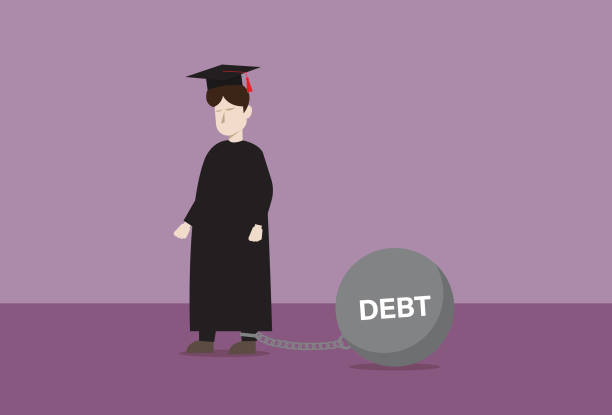
Student budgeting gets sold as a spreadsheet full of guilt. You track every latte, feel bad, then quit by week two. A better approach is simpler: know what must be paid, protect it, and give yourself a small, clear amount to spend. That way you can cover rent, food, and books without pretending you will never see a friend or buy coffee again.
Start with real numbers, not the numbers you wish you had. Look at the last two months of bank and card statements. Add up what actually comes in from your job, financial aid refunds, family help, and side gigs. Then list what actually goes out: rent, utilities, phone, insurance, transportation, minimum debt payments, groceries, and the stuff you forget like laundry and subscriptions. Takeout and delivery add up faster than you think.
The most important number in your student budget is your survival number. That is the minimum you need each month to keep a roof, food, lights, internet, phone, transportation, and minimum debt payments. Everything below that line is non-negotiable. Everything above it can go to fun, savings, extra debt payments, or a small buffer. Knowing your survival number stops you from panicking every time you check your balance. It also tells you the truth: if your income is below that number, you do not have a spending problem. You have an income or housing problem that needs a real fix, like a roommate, a campus job, or a cheaper meal plan.
If you get a financial aid refund, do not treat it like a lottery win. It is meant to cover a semester, not a weekend. Divide it by the number of months it must last. If you receive three thousand dollars for four months, that is seven hundred and fifty dollars a month. If rent eats five hundred, you have two hundred and fifty for everything else. Put the semester money in a separate account. Move rent and bills out first. Then give yourself a weekly allowance. When it is gone, it is gone. This habit prevents most mid-semester money emergencies.
Food is usually the biggest leak. Delivery apps, coffee shops, and vending machines feel small, but four dollars a day is over a hundred dollars a month. That is a textbook, a utility bill, or a chunk of an unsubsidized loan. Pick a few cheap staples you actually like, cook enough for leftovers, and keep easy food at home for the nights you are too tired to think. Frozen burritos, rice, beans, eggs, pasta, and rotisserie chicken can keep you fed without misery.
Social life matters. A budget that leaves no room for friends will break. Plan cheap fun on purpose. Campus events, potlucks, movie nights, hiking, and free city activities are not consolation prizes. They are how you stay sane. Put a small fun line in your budget so you do not feel deprived and then binge. Ten or twenty dollars a week can be enough if you choose it ahead of time.
Debt during school needs a calm approach. Federal subsidized loans may not charge interest while you are in school, but unsubsidized and private loans often do. If you can pay a little extra on unsubsidized loans, even twenty-five dollars a month, it can reduce what capitalizes later. But do not skip groceries to do it. Build a tiny emergency fund first, even five hundred dollars. That buffer keeps a flat tire or a sick day from becoming new credit card debt. Then automate whatever extra payment you can afford. If your income changes, adjust it without guilt.
Your budget should be checked weekly, not obsessively daily. Set a ten-minute money date. Check balances, bills, and recent spending. Move money if needed. If you overspend, do not abandon the whole month. Fix the next choice. A budget is not a punishment. It is a plan that buys you options. Rebuild it every semester because aid, rent, and jobs change. You do not need to be perfect. You need to know your survival number, protect your bills, divide lump sums, and leave a little room to live. Do that, and student debt becomes something you manage instead of something that manages you.