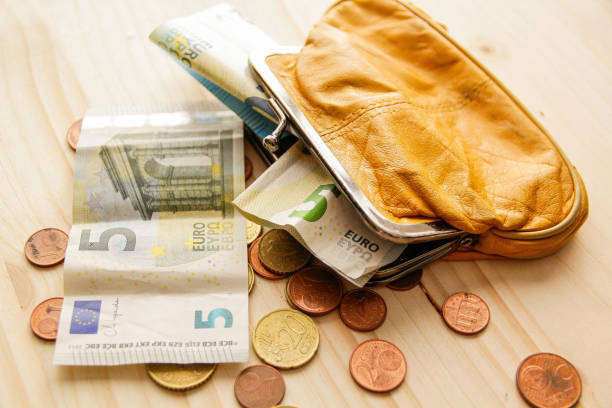
You already have a full-time job, a student loan payment, and zero interest in becoming a productivity robot. That’s fine. Side income doesn’t require a six-figure hustle or waking up at 4 a.m. to sell smoothies. It requires a simple plan you can repeat without wrecking your health or your main paycheck. The goal is not to become an entrepreneur. The goal is to create breathing room.
Start with one service you can deliver now. Tutoring, freelance writing, bookkeeping, pet sitting, house cleaning, delivery, and virtual assistance are all valid. The best side gig is not the one with the highest theoretical income. It’s the one that fits your actual schedule. If you’re exhausted, choose low-startup work with flexible hours. If you have a skill people pay for, sell that first. A teacher can tutor. A spreadsheet nerd can clean up small-business books. Boring, reliable work beats waiting for a perfect idea.
Protect your day job like it’s your financial oxygen. Do not use company equipment, email, or time for side work. Read your employee handbook and any non-compete agreement. Getting fired for a $200 gig is a terrible trade. Keep boundaries: no side calls during work hours, no delivery runs that make you late, no using sick days to hustle. Your salary and benefits are the foundation. The side income is the extra brick, not the house.
Treat taxes like a bill, not a surprise. As an independent contractor, nobody withholds taxes for you. A $1,000 gig is not $1,000 in your pocket. Set aside 25 to 30 percent of every payment in a separate savings account. Track mileage, parking, supplies, software, and home-office use. If you earn enough, you may need quarterly estimated payments. A five-minute weekly bookkeeping habit is less annoying than a tax bill you can’t pay.
Price your work like you respect your time. If you need $500 a month and have twenty hours to give, you need to clear $25 an hour after expenses. That means charging more than $25 if you have costs. Don’t compare yourself to volunteers or hobbyists. Raise your rate when you have repeat clients and a waitlist. Just quote the new rate for new work.
Avoid anything that costs more than it earns. Multi-level marketing, expensive courses, and “passive income” systems that require buying inventory are usually wealth transfers from you to someone else. You do not need a logo, website, or business coach to start. You need one paying customer. Use free tools until the work proves itself. If a gig requires spending money before earning money, slow down and read the fine print.
Once money starts coming in, automate its job. Open a separate account. When a payment lands, send a percentage to taxes, a percentage to student loans, and a small percentage to an emergency fund. The rest can go to your actual life. If you don’t automate, side income has a magical way of becoming takeout, impulse buys, and “I deserve it” purchases. You deserve nice things, but not at the cost of a surprise tax bill.
If you’re on an income-driven repayment plan, extra income can affect recertification. Talk to your servicer and understand the math. For private loans, extra payments reduce the balance and save interest. For federal loans, decide whether your goal is forgiveness, payoff, or flexibility. Side income can also build an emergency fund so you stop using credit cards when life happens.
Finally, don’t turn your side hustle into a second full-time job with worse benefits. You need sleep, food, friends, and downtime. Start small. Track your hours. If you’re earning less than minimum wage after expenses, change the gig or raise the price. If you’re miserable every weekend, adjust the plan. Consistency beats intensity. One reliable client can change your budget more than a hundred unfinished ideas.
Side income is not a personality. It’s a tool. Use it to pay down debt faster, cover gaps, or build a cushion. Keep it simple, legal, and sustainable. Your student loans are a long game. A steady extra $300 a month can do more than a heroic sprint that burns you out by March.