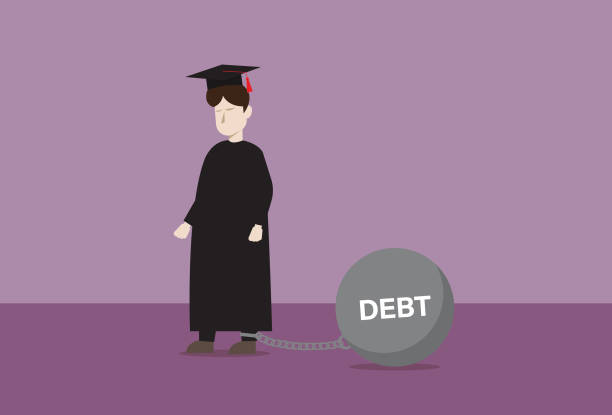
Your repayment plan is not a personality test. It is a math problem with a due date. Choose wrong and you will spend years dodging your servicer. Choose right and you can pay rent, buy groceries, and still make progress. The goal is not the lowest payment forever. The goal is a payment you can actually make every month without wrecking your life.
First, separate federal loans from private loans. Federal loans come with repayment plans and protections if you lose your job. Private loans mostly come with a bill and a shrug. If you have private loans, call the lender about hardship options or refinancing, but do not expect income-driven repayment. For federal loans, log into your servicer account. Find your loan types, balances, and interest rates. You cannot pick a smart plan if you do not know what you owe.
Next, figure out your real monthly number. Take your take-home pay. Subtract rent, utilities, groceries, transportation, insurance, minimum debt payments, and a little for actual life. What is left is your student loan ceiling. If the standard ten-year plan fits under that ceiling, it is often the simplest and cheapest path. You pay a fixed amount, you are done in a decade, and you pay less interest than almost any other option. If it does not fit, do not force it. A plan you cannot afford is not a plan. It is a future default.
The standard plan is the baseline. It has the highest monthly payment for most borrowers, but the shortest timeline and lowest total interest. The graduated plan starts lower and rises every two years. It can work if you are early in a career with predictable raises, but the later payments can sting. The extended plan stretches payments to twenty-five years if you owe more than thirty thousand dollars. It lowers the monthly bill, but you pay more interest over time. None of these plans care what you earn. They care what you owe.
Income-driven repayment is the safety net. These plans calculate your payment as a percentage of your discretionary income, based on your income and family size. If your income is low, your payment can be as low as zero. If your income rises, your payment rises. After twenty or twenty-five years, the remaining balance may be forgiven, though you should understand the tax rules. They are often right for high debt and modest salaries, for unemployment, and for Public Service Loan Forgiveness. If you work for a government or nonprofit, IDR plus PSLF can wipe out the balance after 120 qualifying payments. That only works if you stay on top of paperwork.
So how do you choose? Compare three numbers. The first is what you can afford without borrowing or skipping bills. The second is what you will pay in total before the loan is gone. The third is what happens if your income changes. If you can afford the standard plan and you want the debt gone fast, take it. If you cannot, choose the income-driven plan that gives you the lowest reasonable payment, then pay extra when you can. If you are going for forgiveness, keep your payment as low as possible and document every qualifying payment. If you are married, compare filing jointly and separately. The difference can be hundreds per month. Talk to a tax pro first.
Do not ignore recertification. Income-driven plans require you to update your income and family size every year. Miss the deadline and your payment can jump to an amount you cannot afford. Set a calendar reminder sixty days before your recertification date. Sign up for autopay if your servicer offers an interest discount. Check your servicer every few months. Servicers make mistakes. Your job is to catch them.
The best repayment plan is boring. It is the one you can keep on autopay for twelve months without panic. It is the one that lets you save a little, handle an emergency, and still make progress. You do not need to impress anyone with how fast you pay off your loans. You need to survive the debt while building a life. Pick the plan that does both.