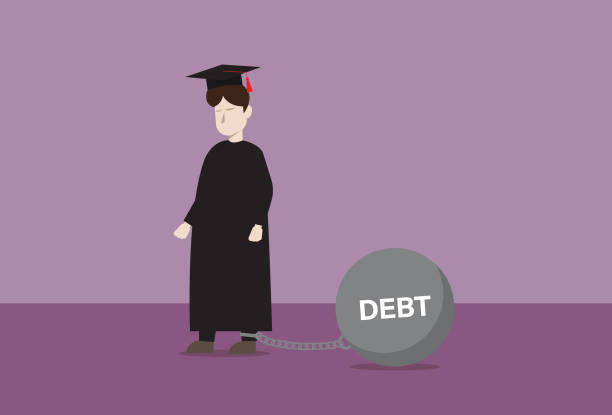
Your student loans are not an emergency. A blown transmission is. A sudden hospital bill is. Losing your job is. That distinction matters because too many people with student debt treat every extra dollar as a loan payment and leave themselves one flat tire away from a credit card spiral. Building an emergency fund while paying off student loans feels impossible, but it is not. It is just a different kind of budgeting.
Start with a number that does not scare you. You do not need six months of expenses today. You need a starter fund. Five hundred dollars is the first goal. One thousand dollars is the next. If you have private student loans with brutal interest rates, you might not want to park ten thousand dollars in savings while interest grows. That is fair. But you still need a buffer. Without one, every surprise becomes new debt, and new debt usually costs more than your student loans.
Treat savings like a bill. Automate a transfer from checking to savings for the day after payday. Even twenty dollars a paycheck adds up to five hundred twenty dollars a year. If you get paid weekly, ten dollars a week gets you there. The amount matters less than the habit. You are training your brain to see savings as non-negotiable, right next to rent and your student loan payment.
Keep the money somewhere boring and separate. A high-yield savings account at an online bank is ideal. It is FDIC insured, pays more than a big-box checking account, and takes a day or two to access. That small delay is a feature. It stops you from tapping the fund for takeout or a flash sale. Name the account something blunt like “Emergency Only” or “Do Not Touch.“ Check the balance when you feel tempted to spend.
Now balance debt and savings. Make your minimum student loan payments no matter what. Then decide where extra money goes. If your emergency fund is under one thousand dollars, lean toward savings first. Once you hit that cushion, you can split extra cash between debt payoff and a bigger emergency fund. If you are on an income-driven repayment plan, your student loan payment may be low, so a larger emergency fund makes sense. If you have a high-interest private loan, you might keep a smaller fund and attack the loan. Either way, never let the fund hit zero. If you are tempted to stop paying student loans entirely to build savings, think hard. Delinquency hurts your credit and can add fees. The goal is a small cushion, not a permanent strike.
Define what counts as an emergency before one happens. Job loss, medical care, essential car repairs, a broken furnace, or a necessary trip for a family crisis count. A concert, a vacation, holiday gifts, or a new phone do not. Those are planned expenses, and they need their own sinking funds. A sinking fund is just savings for something you know is coming. Car maintenance, annual insurance, and back-to-school costs are not surprises. If you use your emergency fund for a real emergency, rebuild it immediately. Pause extra debt payments until the cushion is back.
Look for money you already have. Cancel subscriptions you forgot about. Call your internet and phone providers and ask for a lower rate. Sell clothes, electronics, or furniture you do not use. Put tax refunds, bonuses, and side gig money straight into the emergency account. When you get a raise, save half of it before your lifestyle absorbs it. You do not need to become a monk. You need to redirect a few dollars from mindless spending to future peace. Even five dollars a week is a start. The first month is the hardest. After that, you will feel the difference when an unexpected bill arrives and you do not have to reach for plastic.
Your student debt is a marathon. An emergency fund is the water station. Skipping it does not make you tough. It makes you dehydrated and desperate. Start small, automate it, keep it separate, and protect it. You will still pay off your loans. You will just do it without a panic attack every time life does what life does.