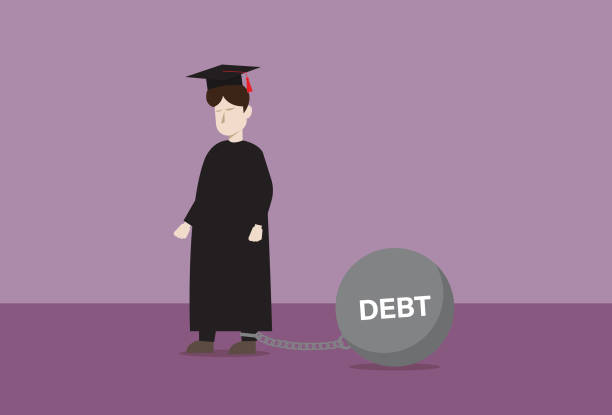
Paying off student loans can feel like a race you cannot win, but life does not pause while you make payments. A car breaks down. A tooth cracks. Hours get cut. If you have no cash set aside, those moments go on a credit card, and the debt you are trying to kill gets stronger. An emergency fund is not a luxury. It is the cushion that keeps a bad week from becoming a bad year.
Start smaller than you think you should. Five hundred dollars is a real emergency fund. It handles most flat tires, urgent clinic visits, broken phones, and short gaps between paychecks. Keep it in a separate savings account, ideally one that earns a little interest and is not attached to your debit card. Automate ten or twenty dollars each payday. If that feels impossible, automate five. The habit matters more than the number at first. You are training your brain to treat savings like a bill that must be paid.
Your long-term goal can be bigger. Once you have five hundred dollars, aim for one thousand. Then aim for one month of essential expenses: rent, utilities, groceries, transportation, insurance, minimum debt payments. After that, build toward three months. If your income is freelance or in a shaky industry, aim for six. But do not let a giant target stop you from saving your first twenty dollars. A small fund today beats a perfect plan next year.
Finding money while student loans are breathing down your neck takes creativity, not shame. Look at fixed costs first. Cancel subscriptions you forgot about, switch phone plans, re-shop car insurance, and cut food delivery. Call your internet company and ask for a better rate. Use windfalls: tax refunds, bonuses, birthday money, side gig cash, sold clothes, old textbooks. When you get a raise, save half the difference before your lifestyle notices. You do not need to be miserable. You need to be deliberate.
You will wonder whether to pay extra on student loans or save for emergencies. Do both, but not blindly. Always make minimum payments. If you have an employer match on retirement, take it. Then build a starter emergency fund of five hundred to one thousand dollars. After that, split any extra money. Some goes to loans, some goes to savings. A common split is seventy percent to debt and thirty percent to savings, but the right split is the one you will actually follow. The worst plan is paying every spare dollar to loans, then borrowing again when life happens.
Keep the fund boring and hard to reach. Name the account something like Do Not Touch Unless Emergency. Define emergency before one happens. Job loss, medical care, essential car repair, safe housing, a broken appliance you need, travel for a family emergency. Not a flash sale, a concert, a vacation, or a newer phone because yours is slow. If you use the money, that is not failure. That is the fund doing its job. Your next goal is simply to refill it.
Do not invest your emergency fund in stocks. Do not lock it in a long-term CD unless you fully understand penalties. Do not treat a credit card limit as your emergency plan. Credit card limits can be cut, interest rates can rise, and swiping a card creates a new payment. Cash in a savings account does not ask questions. It does not charge interest. It does not care if your credit score dipped last month.
Talk about the fund with a partner or roommate if you share bills. Agree on what counts as an emergency and how much you will move each month. If you are single, tell a trusted friend your goal so you have someone to check in with. Review the account every six months. Rebuild after every use. If you spend six hundred dollars on tires, your next mission is to put that six hundred back. You do not need to be perfect. You need to be consistent. Start with five hundred dollars. Then one thousand. Then one month. Your student debt will still be there, but you will be harder to knock down. And that changes everything.