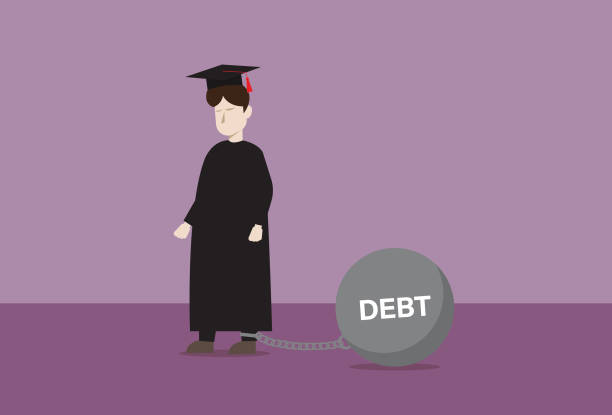
Professional training can be the fastest route from a dead-end job to a paycheck that actually covers rent. But the sticker price on trade school, a coding bootcamp, or a certificate program can feel like another student loan waiting to happen. The trick is to treat training like a business decision, not a lottery ticket. You are buying a specific skill that should lead to a specific job. If the math doesn’t work, don’t enroll.
First, figure out what the program actually costs, not just tuition. Add tools, laptops, exams, uniforms, transportation, childcare, and lost wages if you cut back on work. A $12,000 bootcamp that takes six months and keeps you from earning $3,000 a month is really an $18,000 decision. Trade school might be $5,000 at a community college and $25,000 at a private school for similar entry-level jobs. Ask what the total cash out the door will be before you sign anything.
Then check whether the program is eligible for federal student aid. Accredited trade schools and community college certificate programs often are. That means you can fill out the FAFSA and possibly get Pell Grants, federal work-study, or federal loans. Bootcamps are usually not eligible, though a few have approvals. If federal aid is not available, you are likely looking at private loans, income share agreements, or paying cash. Private loans for a short program are dangerous because the interest can start immediately and the payments can hit before you land the job. Income share agreements sound friendly, but read the fine print: how much of your income, for how many years, and what happens if you lose your job.
Before borrowing a dollar, hunt for free money and cheaper paths. Employers often pay for certificates, licenses, and even degrees through tuition assistance. Ask your manager or HR what’s covered. Unions and trade associations give scholarships. State workforce boards and American Job Centers distribute grants through programs like WIOA. Local community colleges may offer short-term certificates in welding, HVAC, medical billing, cybersecurity, or commercial driving for a fraction of private school prices. Apprenticeships are the gold standard: you earn while you learn, and you often finish with zero debt and a job offer.
If you still need to pay, use a pay-as-you-go strategy. Many programs let you pay per term or per module. Work full-time or part-time while you study, even if it takes longer. A slower path with no debt beats a fast path with a $500 monthly payment. Ask about payment plans, scholarships, and discounts. Some bootcamps offer women, veteran, or diversity scholarships. Some employers will reimburse you after you pass a certification. Get that agreement in writing before you enroll.
Compare outcomes, not promises. Ask for graduation rates, job placement rates, and starting salaries. If the school won’t share numbers, walk away. Check reviews from real students and look up the program on your state’s licensing board. A professional training program is only worth it if people finish and get hired in the field. If the typical graduate makes $35,000 and the program costs $20,000, that’s a bad deal. A good rule of thumb: total training debt should be less than what you expect to earn in your first year, and ideally you should be able to pay it off within two years.
Watch for red flags. If a school pressures you to enroll the same day or promises a six-figure salary with no experience, walk away. A legitimate program shows total cost, refund policy, and real job outcomes. Talk to former students without a salesperson listening.
Finally, don’t forget taxes and cash flow. The Lifetime Learning Credit can offset up to $2,000 of qualified tuition and fees for eligible students. Some states offer deductions or credits too. Keep receipts. If you must borrow, prioritize federal loans over private ones, and never borrow more than you need for tuition and basic living costs. Protect your emergency fund. You need money for rent, food, and gas while you train. The goal is not just to get a certificate. It is to get a better job without trading one debt problem for a worse one.