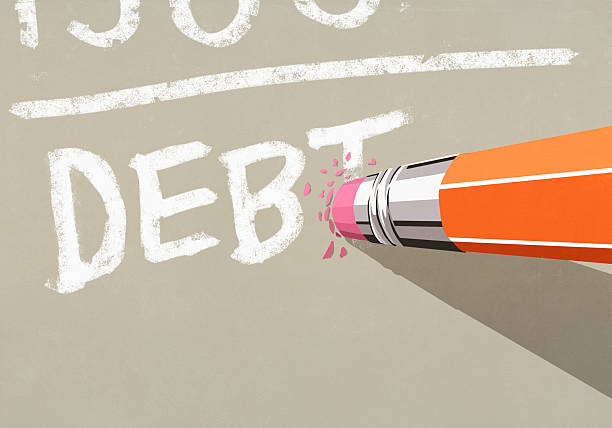
Your federal student loan repayment plan decides how much leaves your bank account each month, how long you’ll be in debt, and whether you qualify for forgiveness. Pick wrong, and a manageable-looking payment can wreck your budget when rent and groceries hit. Pick right, and you get breathing room without pretending the debt doesn’t exist.
Start with the standard plan. It splits your balance into fixed payments over ten years. It usually has the lowest total interest cost because you’re paying the loan off faster. The catch is the monthly payment. If you borrowed a lot, the standard payment can feel like a second rent check. It’s solid when your income is steady and high enough to cover it. If the number makes you sweat, don’t force it just because it’s the default.
The graduated plan starts lower and increases every two years. It can help if you’re early in your career and expect raises. But hope is not a plan. If your income doesn’t grow on schedule, that higher payment can ambush you. Use it only if you have a realistic reason to believe your earnings will rise, not just because you want a lower bill today.
The extended plan stretches payments over twenty-five years, usually for balances above a certain threshold. It lowers the monthly hit, but you’ll pay more interest overall. This can make sense if you need cash flow for rent, childcare, or an emergency fund. It’s less appealing if you can afford a ten-year payment and want to be done sooner.
Then there’s income-driven repayment, often called IDR. This is the plan people ask about when they’re scared. Instead of basing your payment on what you owe, it bases your payment on what you earn, your family size, and sometimes your tax filing status. Depending on the plan and your income, the payment can be low. Sometimes it’s zero. That sounds like magic, but it isn’t. Interest can still grow, and you may be in repayment for twenty or twenty-five years before any remaining balance is forgiven. Forgiveness may be taxable, so don’t treat it as a free lunch. Still, IDR can keep you out of default and protect your credit while you build a career.
The right choice comes down to your goal. Are you trying to pay the least total interest? Then standard or aggressive extra payments usually win. Are you trying to keep your monthly payment low so you can afford life? Then extended or IDR may be better. Are you aiming for forgiveness? Then IDR is often the path, but you must follow every rule exactly. Missing a recertification date can raise your payment, capitalize interest, and knock you off track. Set a calendar reminder every year, and update your income if it drops. You can usually report a lower income before the annual deadline, and a lower payment can save you from a crisis.
Private loans are a different animal. They don’t come with these federal repayment plans. If you have private loans, use federal relief on your federal loans first, then tackle private ones with refinancing or extra payments if the rate is high. Don’t refinance federal loans into private ones for a slightly lower rate unless you’re sure you’ll never need IDR, forgiveness, or deferment. You give up safety nets when you do that.
Also, don’t ignore the small stuff. Autopay often shaves a little interest off, so use it if you can trust your balance. Keep records of every payment and servicer conversation. If your servicer messes up, ask for a supervisor and put it in writing. A payment plan only works if the servicer applies it correctly.
Finally, review your plan every year or after any big change. A raise, a layoff, a marriage, a baby, or a move can change what you can afford. The best plan isn’t the one with the lowest number on a screen. It’s the one that lets you pay your loans, keep your lights on, and still build a life. Run the math, pick the plan that fits your real budget, and revisit it before it becomes a problem. That’s how you survive student debt without letting it run your whole twenties and thirties.