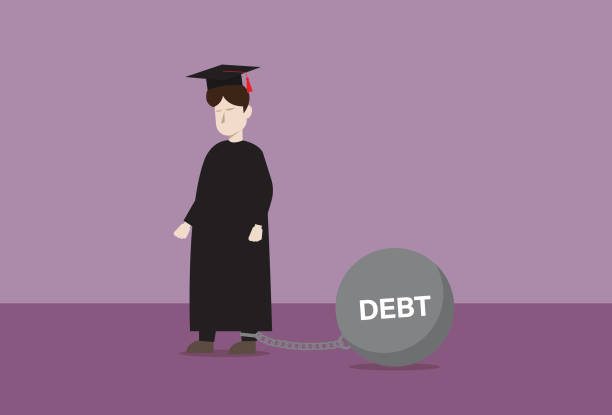
Staying organized with student loans during school isn’t about color-coded binders. It’s about knowing what you owe, who you owe it to, and when the bill starts. If you don’t know those three things, you can’t make smart decisions about classes, jobs, rent, or how much you borrow next semester. The goal is no surprises. A surprise student loan payment is how people end up late, panicked, and paying extra fees. Keep it simple.
The first move is to create one home for everything loan-related. Pick a digital folder or a physical folder and call it Student Loans. Inside, keep a master list. For every loan, write down the servicer, whether it’s federal or private, the original amount, the current balance, the interest rate, the disbursement date, and the grace period. Add the repayment start date, the estimated monthly payment, and the servicer’s phone number and website. Do it once, then update it after each semester or whenever you take out a new loan. If you have loans from multiple years, this single list will show you the full picture.
Next, separate federal from private loans. Federal loans come with protections like income-driven repayment, deferment, forbearance, and forgiveness programs. Private loans usually don’t. They won’t show up on the federal student aid website. If you mix them up, you might miss a private loan deadline or assume you have a safety net you don’t actually have. Check your federal loan history at the official government site, then check each private lender’s portal. If you’re not sure, call the servicer and ask. Don’t guess.
Once your list exists, put the important dates in your phone calendar. The biggest one is the end of your grace period, because that’s when payments begin. Also add exit counseling, servicer deadlines, FAFSA renewal, and tax document dates. Set alerts for thirty days, seven days, and one day before each deadline. A calendar reminder is cheaper than a late fee.
Automate what you can, but be honest about your cash flow. If you have a steady income, set autopay for the minimum payment on each loan. Check the account every month to make sure the payment went through and the balance changed. If money is tight, don’t force autopay from an account that might overdraft. Schedule a manual payment day and treat it like a bill.
While you’re still in school, watch your interest. Unsubsidized federal loans and private loans accrue interest from the day they’re disbursed. That interest can capitalize later, meaning it gets added to your principal and starts charging interest on interest. If you can pay even twenty-five or fifty dollars a month toward interest without going into credit card debt, you’ll save money later. Just know which loans are growing and by how much. If you can’t pay extra, don’t beat yourself up. The point is to avoid surprises, not to be perfect. A quick check now can save months of stress later.
Build a twenty-minute money routine once a month. Open your loan list, check your bank account, and decide if you need to adjust your borrowing. If you get a refund check, remember it’s not free money. It’s loan money. Use it for tuition, books, housing, food, and transportation, not a spring break trip. If you borrowed more than you need, you can usually return part of it. Ask your financial aid office how.
Keep your paperwork in order. Save award letters, promissory notes, statements, and tax forms. If you call a servicer, write down the date, the representative’s name, and what they told you. This paper trail protects you when systems glitch or policies change. Protect your FSA ID and passwords. Don’t share them, and don’t pay a company to do something you can do for free on the government site.
Finally, talk to people. Your school’s financial aid office, your servicer, and a trusted adult who understands money can all help. Ask questions early. If your income changes, tell your servicer. Organization isn’t about being perfect. It’s about giving yourself options. When you know what you owe, you can choose a repayment plan, negotiate a salary, and plan a life that isn’t ruled by debt. That’s the real win.