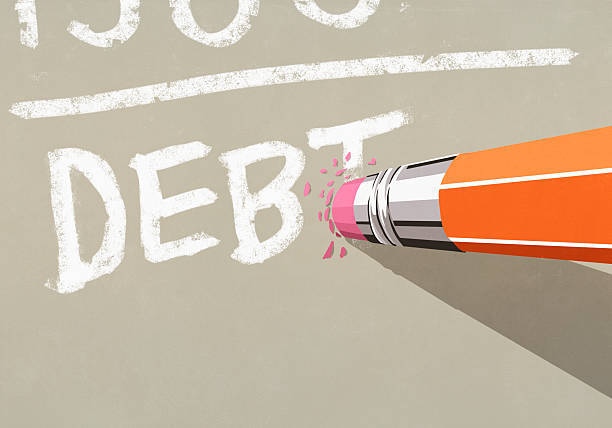
If you are enrolled at least half-time, most federal student loans come with an in-school deferment. That means you do not have to make payments while you are in school. It sounds like a break, and it is, but it is not the same as free money. Deferment and forbearance both pause payments, yet they treat interest very differently. That difference can quietly add thousands to your balance before you graduate. Know the difference now.
With subsidized federal loans, the government pays the interest during an in-school deferment. Your balance stays put. With unsubsidized loans, interest starts accruing from the day the money is disbursed, even while you are in school. You are not paying, but the loan grows. When deferment ends, unpaid interest can capitalize. Capitalization means the interest is added to your principal, and from then on you pay interest on that interest. That is how a loan can grow faster than you expect.
Forbearance is a different animal. For federal loans, interest generally accrues on all loan types during forbearance, including subsidized loans. So if you choose forbearance when deferment is available, you may be volunteering to pay more. Forbearance can be a lifeline for a true hardship, such as a medical emergency, job loss, or family crisis. But it should not be your default setting. Private student loans have their own rules. Some lenders offer forbearance, but interest almost always accrues, and there may be fees or limits. Private forbearance can affect a cosigner, so read the fine print.
The first step is knowing what you actually have. Log into Federal Student Aid and your loan servicer. Identify whether each loan is subsidized, unsubsidized, Grad PLUS, or private. Check whether you are in an in-school deferment or need to request one. Many schools report enrollment automatically, but only if you are enrolled at least half-time. If you drop below half-time, you may lose deferment and enter a grace period, then repayment. If you are thinking about reducing credits or taking a semester off, talk to your financial aid office first. A quick conversation can prevent a surprise bill.
If you can pay something while you are in school, do it. You do not need to make full payments. Even ten or twenty dollars a month toward interest on your unsubsidized loans can reduce how much gets capitalized later. If you have a work-study job, a part-time gig, or a paid internship, route a small amount to your highest-interest loan. Set up automatic payments so you do not have to think about it. If money is too tight, do not beat yourself up. But do not ignore your loans either. Know when your grace period ends and what your payment will be.
If you truly need forbearance, treat it like a fire extinguisher. Use it for emergencies, not for convenience. Ask your servicer how long it lasts, whether interest accrues, whether it will capitalize, and whether it affects your credit. For federal loans, you may request forbearance in up to twelve-month chunks, but you usually have to reapply. Interest keeps growing the whole time. If you have private loans and are struggling, ask about interest-only payments, a temporary rate reduction, or an in-school payment plan. Some lenders would rather work with you than see you default.
Watch the moments when interest can capitalize. Deferment ending, forbearance ending, leaving school, changing repayment plans, and consolidating loans can all trigger capitalization. That is when your balance can jump. If you can, pay down interest before those triggers hit. Use school to build an emergency fund and avoid extra borrowing. Do not take extra loan money just because it is offered. Every dollar you borrow today is a dollar plus interest tomorrow.
Bottom line: Deferment and forbearance can keep you out of default while you are in school, but they are not a strategy for getting ahead. Deferment is better than forbearance when your loans are subsidized. Forbearance is better than default, but only as a short-term bridge. Your goal is to keep interest from snowballing. Check your loans each semester. Make small payments if you can. Ask questions before you agree to a pause. When you leave school, you will be glad you did.