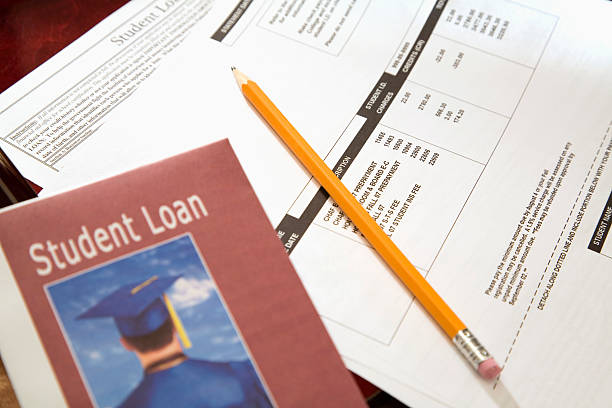
Student loans do not disqualify you from a mortgage, but they change the math. Lenders look at your debt-to-income ratio, which compares all monthly debt payments to your gross monthly income. Your student loan payment counts. If you are on an income-driven repayment plan, some lenders use your actual payment, while others use a percentage of your income or what you would pay on a standard plan. Find out what a lender sees before you tour open houses.
Start with your real budget. Add rent, utilities, food, transportation, insurance, minimum debt payments, and savings. If buying would make that number negative or zero, you are not ready. A house is not a magic wealth machine. It is a place to live with a roof that leaks, a furnace that dies, and property taxes that rise.
The down payment is only the beginning. Twenty percent avoids private mortgage insurance, but many first-time buyers put down less. FHA loans allow as little as 3.5 percent. A smaller down payment means a higher monthly payment, mortgage insurance, and less cushion. Closing costs usually run 2 to 5 percent of the purchase price. If you drain every dollar for the down payment, you are one emergency away from credit card debt. Keep an emergency fund of at least three to six months of expenses, including your new mortgage payment.
Your debt-to-income ratio is the gatekeeper. Lenders often want total debt payments under 43 percent of gross monthly income. Student loans can push you over. If you have a three-hundred-dollar student loan payment and a four-hundred-dollar car payment, that is seven hundred dollars before the mortgage. On a sixty-thousand-dollar salary, that leaves only about one thousand four hundred fifty dollars for housing after the 43 percent limit. That might be a small condo, not a house. Pre-approval is not a promise. It is a budget ceiling. Do not max it out.
Rent is not throwing money away. Rent buys flexibility and repairs. If you might move in three years, buying could lose money after closing costs and selling fees. If you plan to stay five to seven years, buying can make sense, but only if the monthly cost is stable and you have reserves. Compare the total cost. Add mortgage principal and interest, property tax, insurance, private mortgage insurance, HOA dues, maintenance, utilities, and the opportunity cost of your down payment.
Your student loan strategy matters. If you are on track for Public Service Loan Forgiveness or another income-driven forgiveness program, paying extra may not be smart. Pay the minimum and save for a house instead. If you are aggressively paying off loans, buying a home may delay that. You can do both, but it will be slower. Decide your priority. Do not let student debt shame you into renting forever, and do not let house fever push you into a loan you cannot afford.
House hacking can help. Buying a duplex or a house with extra rooms and renting them out can offset the mortgage. But it is a job. You are a landlord. You need savings for vacancies and repairs. Check local rules and taxes. If you hate sharing space or dealing with people, do not do it. Do not count on rental income until you have a signed lease and a track record.
Your credit score matters too. Student loans affect credit. On-time payments help. High balances hurt. Do not open new credit before applying for a mortgage. Keep credit utilization low. Check your reports for errors. If you have private loans in default, fix that first. A mortgage with bad credit costs more every month.
The no-nonsense advice is simple. Buy when you have stable income, an emergency fund, a down payment, closing costs, and a monthly payment that fits your budget. Do not buy because rent went up or because your friends are buying. Rent until you are ready. Your student loans are a factor, not a life sentence. Make a plan, run the numbers, and choose the option that lets you sleep at night. That is how you manage student debt and still have money left to live.