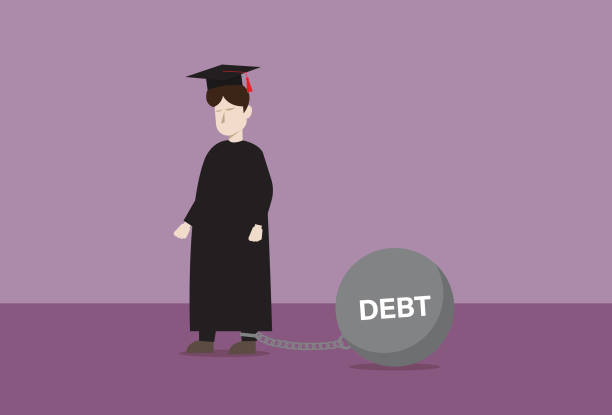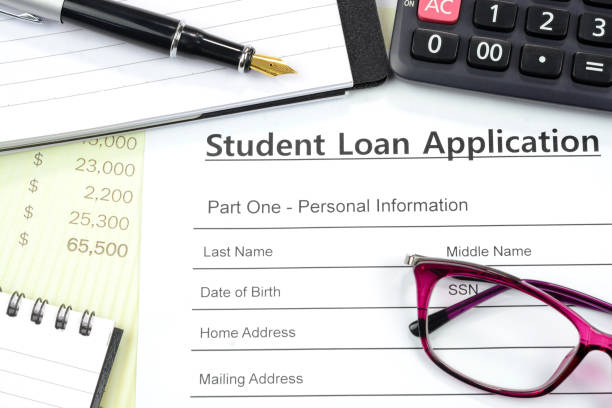
Income-driven repayment is not a last resort for people who can’t pay their bills. It’s a federal safety net, but it’s also a legitimate strategy for anyone with federal student loans who wants a payment that fits real life. The myth says IDR is only for the broke, the unemployed, or the irresponsible. That myth keeps too many borrowers on a standard ten-year plan they can’t afford, missing payments, ruining credit, and feeling like failures. The truth is simpler: if your federal student loan payment is crowding out rent, groceries, savings, or peace of mind, run the numbers on an income-driven plan.
Here’s how these plans work. The government offers several income-driven repayment options, and they all do roughly the same thing: your monthly payment is based on your income and family size, not on how much you owe. If you make little or nothing, your payment can be as low as zero. If you make a decent salary but owe a mountain, your payment might still be far lower than the standard ten-year amount. That doesn’t mean you’re dodging the debt. It means you’re using the rules that exist. The Department of Education isn’t doing you a favor by letting you pay based on income; it’s running a program Congress created. You’re allowed to use it.
The biggest misunderstanding is that IDR is only for low incomes. Plenty of people with solid jobs qualify because their debt-to-income ratio is out of whack. A teacher making forty-five thousand dollars with eighty thousand dollars in loans may have a standard payment of eight hundred dollars or more. That’s not sustainable. An income-driven payment might be two hundred or three hundred dollars. The difference can be the gap between renting a decent apartment and moving back in with your parents. It can be the difference between building an emergency fund and putting every unexpected expense on a credit card.
Another myth is that IDR is a trap because the balance grows. Yes, unpaid interest can grow your balance. But a growing balance on a federal student loan is not the same as a growing balance on a credit card. The interest rate is fixed, the loan is unsecured, and there are forgiveness programs after a set number of qualifying payments. If you’re on an income-driven plan, you’re not defaulting, you’re not wrecking your credit, and you’re keeping your account in good standing. Those things matter more than a number on a screen that you may never pay in full anyway. If you eventually earn more, your payment will rise, and you can switch plans later.
There’s also the myth that you have to choose the perfect plan forever. You don’t. You can change plans when your income changes, when your family size changes, or when your goals change. The important move is to get into a payment you can actually make every month. Consistency beats intensity. A payment of two hundred dollars that you can afford for five years is better than an eight-hundred-dollar payment you miss every third month. Missed payments lead to delinquency, default, wage garnishment, and tax refund offsets. An affordable payment keeps you in control.
What should you do with this information? Log into your federal student loan servicer account and find out what kind of loans you have. If they’re federal Direct Loans, you likely have income-driven options. If they’re private loans, IDR doesn’t apply, and you’ll need a different strategy. Then use the Department of Education’s loan simulator or your servicer’s calculator to compare your current payment with an income-driven payment. If the IDR payment is lower, apply. If it’s not, at least you know. If you’re already on IDR, recertify your income every year so your payment doesn’t jump.
The real myth is that struggling with student loans means you did something wrong. It doesn’t. It means you borrowed money for school in a country where that decision is expensive. You can still be responsible, ambitious, and smart while using every legal tool available. Income-driven repayment is not a last resort. It’s a tool. Use it if it helps you keep the lights on, save a little, and stay out of default. Your future self will thank you.