Most student budgets fail because they assume money shows up on a tidy schedule. Financial aid hits once a semester. Your part-time job pays every two weeks, except when the schedule gets cut. Summer savings are supposed to last until December, but they rarely do. When income is lumpy, a normal monthly budget can make you feel like you are failing when the real problem is timing. Build your budget around the semester instead, and treat every dollar as if it has a job from the day it lands.
Start with the money you know is coming. Add up your financial aid refund, grants, scholarships, paychecks you can reasonably expect, and any help from family. Be conservative. Do not count overtime, tips you might get, or a job you have not started. Then subtract the fixed costs that keep you in school: rent, utilities, phone, internet, transportation, insurance, and minimum debt payments. What is left is not fun money. It is your living money for the next several months, and it has to cover food, books, supplies, laundry, and emergencies.
Divide that remaining amount by the number of weeks in the semester. If you have four months, that is roughly seventeen weeks. If your living money is three thousand dollars, you can spend about one hundred seventy-six dollars a week. That number is not a suggestion. It is your weekly operating budget. When you know it, you can stop guessing whether you can afford tacos on Friday or need to eat the rice you already own. You can also see when a phone bill or car repair is about to break the plan.
Separate your money into containers. You do not need a fancy app or twelve bank accounts. You need a bill account and a spending account. When aid or a paycheck arrives, move rent, utilities, and debt payments into the bill account and leave them alone. Move the weekly spending amount into your regular account on the same day each week. If the money is not in your spending account, you cannot spend it. This prevents the classic student disaster: spending rent money in September and panicking in October.
Food is where most student budgets quietly die. Groceries are cheaper than takeout, but only if you actually eat them. Shop with a short list and a full stomach. Buy staples you can cook without a lot of time: eggs, rice, pasta, beans, frozen vegetables, tortillas, peanut butter, oats, and whatever protein is on sale. Keep a few emergency meals in the freezer for nights when you are too tired to cook. A twenty-dollar pizza delivery feels small in the moment. Over a semester, it can be the difference between having a buffer and putting gas on a credit card.
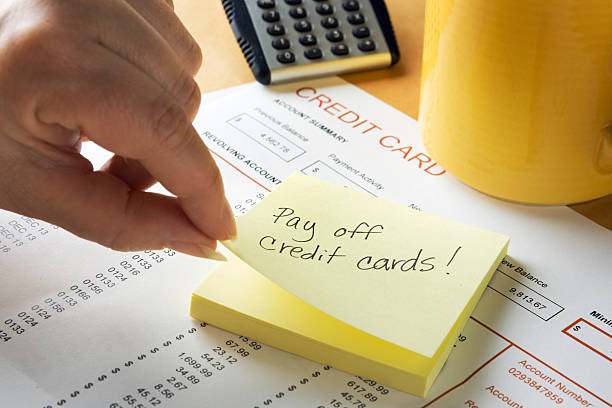
Your student loans are part of the budget too, even while you are in school. If you have unsubsidized loans, interest is already building. You do not have to pay them while enrolled, but you can pay the interest if you have extra. It keeps your balance from growing and saves you money later. If you have private loans or credit cards, make the minimum payments on time, every time. Late fees and higher interest rates are the opposite of a budget. If you can pay more, target the debt with the highest interest rate first. That is not exciting, but it is math.
You also need a small buffer. Aim for five hundred dollars, then one thousand. This is not an emergency fund for a tropical vacation. It is for the laptop charger that dies, the bus pass you forgot to renew, or the shift you had to miss because you were sick. Without a buffer, every surprise becomes new debt. With even a few hundred dollars set aside, you can handle a bad week without derailing your whole semester.
Finally, check your plan every week. It takes ten minutes. Look at what you spent, what is left, and what is coming. If you overspent, adjust the next week instead of giving up. If you underspent, move the extra to your buffer or your highest-interest debt. A budget is not a punishment. It is a map. When your income is irregular, the map matters more, not less. You are not bad with money because aid arrives in chunks or your job hours change. You just need a system that expects real life. Build it around the semester, protect the basics, and give every dollar a job before it disappears.