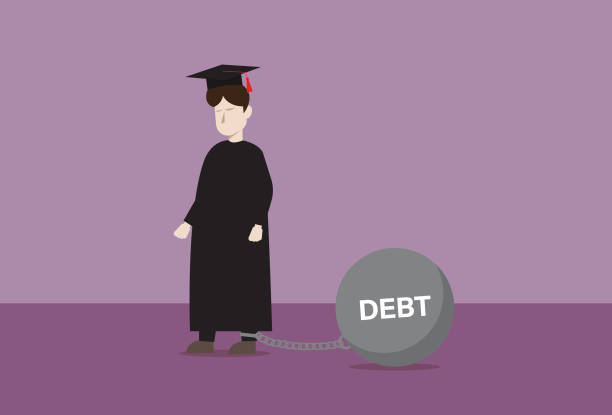
Refinancing student loans sounds like a simple win. You trade a higher interest rate for a lower one, your monthly payment drops, and you finally feel like you are getting somewhere. Sometimes that happens. Other times, you give up protections worth far more than the few dollars you save each month. The trick is knowing which situation you are in before you sign anything.
When you refinance, a private lender pays off your existing student loans and issues you a new loan. You now owe that lender, not the original servicers. If those original loans were federal, you permanently lose access to federal benefits. That includes income-driven repayment, Public Service Loan Forgiveness, deferment, forbearance, and some death and disability discharges. Once you refinance federal loans into a private loan, you cannot undo it. That single fact should guide your decision more than any advertised rate.
Refinancing makes the most sense when you have private student loans with high interest rates, a stable income, and a solid emergency fund. Private loans rarely come with the same protections as federal loans, so replacing them with a cheaper private loan is often a straightforward math problem. If you have a good credit score, a steady job, and three to six months of expenses saved, refinancing private loans can save real money. A lower fixed rate over a shorter term can help you pay off the debt faster and pay less total interest.
Refinancing federal loans is a different calculation. If you are on an income-driven repayment plan, your payment is based on what you earn, not what you owe. If your income is low, that payment can be zero. If you work for a government or nonprofit employer, PSLF can wipe out your remaining balance after 120 qualifying payments. Private lenders do not have to offer those terms. Trading a federal loan for a private one is like canceling your insurance to save on premiums. It works until it doesn’t.
The math matters, but it is not just the interest rate. Compare the annual percentage rate, any origination fees, and the length of the repayment term. A lower rate over a longer term can lower your monthly payment while increasing the total amount you pay. For example, refinancing $30,000 from a 7% ten-year loan to a 5% ten-year loan saves thousands in interest. Refinancing that same balance to a 5% fifteen-year loan lowers the payment even more, but you may pay more overall than if you had stayed with the original ten-year loan. That can be a reasonable trade if you need breathing room, but know what you are buying.
Fixed versus variable rates is another fork in the road. A fixed rate stays the same, so your payment is predictable. A variable rate starts lower but can rise over time. If you choose variable, you need a plan for what happens when the rate climbs. Most people should choose fixed unless they are refinancing a small balance they can pay off quickly.
Shopping around is not optional. Pre-qualifying with several lenders usually involves a soft credit check, so it will not hurt your score. Get offers from at least three to five lenders and compare the true cost, not just the teaser rate. Ask about cosigner release, forbearance options, death and disability discharge, and fees. The first offer is rarely the best offer.
Before you refinance, build a small emergency fund and know your federal options. If you are struggling to pay, call your federal servicer and ask about income-driven repayment or deferment before you look at private refinancing. If your loans are private, refinancing is often a smart move once your credit and income improve. If your loans are federal, refinance only the ones you are sure you will never need federal protections for. Many borrowers refinance only their private loans and leave federal loans alone. That is often the best of both worlds.
Refinancing is a tool, not a cure. It can save you thousands if you have a stable income, good credit, and private loans with high rates. It can cost you your safety net if you give up federal benefits for a slightly smaller payment. Run the numbers, protect your downside, and refinance only when the savings are real and the risks are ones you can honestly afford to take.