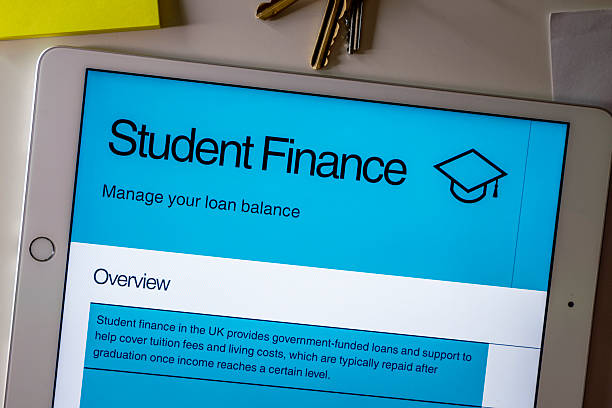
You can buy a home while you still have student loans. The debt does not automatically lock you out of homeownership. They check your credit score, income, down payment, and how much of your monthly income is already promised to other debts. Student loans count in that math, so you need to understand how they show up on a mortgage application. Once you do, you can make a plan instead of guessing.
The number that matters most is your debt-to-income ratio. Add up every minimum monthly debt payment: student loans, car loans, credit cards, personal loans, and other required payments. Divide that total by your gross monthly income before taxes. Then add your estimated mortgage payment, including principal, interest, property taxes, homeowners insurance, and mortgage insurance if it applies. Lenders often want that total at or below forty-three percent of your gross income, though some loans allow higher with strong credit or savings. If you can keep it under thirty-six percent, you will sleep better. With student debt, lower is safer.
Student loans are tricky because lenders do not all count them the same way. If your loans are in deferment or forbearance, many lenders use one percent of the outstanding balance as your monthly payment. That can be much higher than what you actually pay. If you are on an income-driven repayment plan, some lenders use the documented payment, but others use a calculated amount. Ask your loan officer exactly how they will calculate your student loan payment before you fall in love with a house. Get a letter from your servicer showing your current payment.
Your credit score is the other big lever. Pay every bill on time. Keep credit card balances low compared with their limits. Do not open a new car loan or store card right before applying for a mortgage. Check your credit reports for errors and dispute anything wrong. A higher score can lower your interest rate, which can save you tens of thousands of dollars over the life of the loan.
Save for a down payment and closing costs without draining your emergency fund. A home is not a safe place to store your last dollar. You want cash left after closing. Look into first-time buyer programs through your state housing finance agency. Many offer down payment assistance, grants, or lower-rate loans. FHA loans allow lower credit scores and down payments as low as three and a half percent. Conventional loans can go as low as three percent for qualified buyers. VA and USDA loans may require zero down for eligible borrowers. Read the fine print about mortgage insurance and income limits.
Do not let a lender tell you what you can afford. A preapproval letter shows what you might qualify for, not what you should spend. Build a budget based on your take-home pay. Aim for a mortgage payment that leaves room for student loan payments, groceries, transportation, savings, and fun. If a house would make you house poor, it is not a good deal. Consider buying a duplex or taking on a roommate if that fits your life. Do not count on perfect tenants.
Shop around for your mortgage. Different lenders have different rules for student loans, fees, and rates. Get quotes from at least three lenders within a short window so credit inquiries count as one. Ask about first-time buyer programs, lender credits, and closing cost assistance. Choose a fixed-rate mortgage unless you have a very good reason to do otherwise. An adjustable rate can be cheaper now and painful later.
You do not have to wait until your student loans are gone to buy a home. For many people, waiting means years of rising rent and missed equity. But do not rush into a loan that stretches you thin. Work on your income, credit, and savings. A raise or side income can improve your ratio faster than small extra payments. If you refinance student loans, understand what you give up, especially federal protections. Then buy below your maximum, keep an emergency fund, and treat the mortgage as one part of your financial life, not the whole thing.