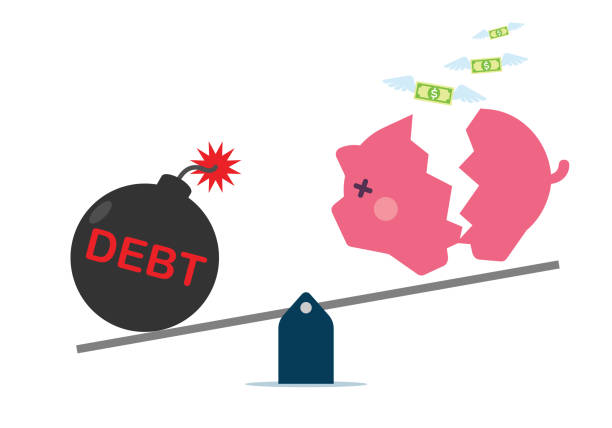
Student loan debt can feel like a third person in your relationship. It shows up in your budget, your sleep, your future plans, and your arguments. Avoiding the topic doesn’t make it smaller; it gives it more power. If you’re serious about someone, you need to know what you’re both carrying, what it costs, and how you’ll handle it together. That conversation is awkward, but it’s one of the most practical acts of love you can offer.
Start with yourself. Before you sit your partner down, get honest about your own numbers. Pull up your loan servicer accounts. Write down the total balance, interest rates, minimum payments, repayment plan, and whether loans are private or federal. Check if you’re current or behind. Know your credit score and other debts like credit cards or car loans. You don’t need a perfect spreadsheet, but you do need the truth. If you’ve been hiding a loan or missing payments, tell yourself first. Then decide how you’ll say it without excuses.
Pick a calm moment. Don’t bring up student loans during a fight, after drinks, or ten minutes before bed. Go for a walk, grab coffee, or sit at the kitchen table with your phones face down. Say something simple: “I want us to build a life together, and I think we need to understand each other’s debt. Can we talk about it?” That frames it as teamwork, not an audit. If your partner gets defensive, don’t push. Ask if they’d rather talk later. The goal isn’t to win the conversation. The goal is to get the facts on the table.
Next, separate your debt from your shared life. In most cases, federal student loans belong to the person who took them out. Marriage doesn’t automatically make your spouse responsible for your federal loans unless you refinance together or take out a joint loan. But marriage can still affect your payments. If you’re on an income-driven repayment plan and file taxes jointly, your spouse’s income may count, which can raise your monthly bill. Filing separately might lower that payment, but it can cost you tax breaks. Run the numbers both ways or talk to a tax professional. Student loan rules are weird, and assumptions are expensive.
Then build a plan that feels fair. If one partner earns more, they might cover more rent while the other throws money at high-interest debt. If one has no student loans, they might feel resentful paying for someone else’s past. Talk about it. A proportional system often works: each person pays a percentage of shared bills based on income, and each keeps their own debt payments separate. Or you can pool everything and treat all debt as family debt. Neither way is wrong. What matters is that both people agree and both can see the light at the end of the tunnel.
Protect yourself, too. Don’t co-sign a private student loan unless you’re prepared to pay it back yourself. Don’t refinance federal loans into a joint private loan without understanding what you’d lose. Federal loans come with protections like income-driven repayment, deferment, forbearance, and forgiveness. Private loans usually don’t. If your partner wants you to take on their debt, slow down. Love is not a cosigning agreement. A prenup or a simple written plan may feel unromantic, but it can save you from a financial nightmare later.
Money talks should be regular, not one dramatic summit. Once a month, sit down for thirty minutes. Review balances, payments, and progress. Celebrate small wins. If you paid off a credit card or knocked a hundred dollars off a private loan, say so. If you’re behind, make a plan before it becomes a crisis. Shame thrives in silence. Numbers in the open are easier to manage.
If debt is causing constant fighting, consider a nonprofit credit counselor or a financial therapist. The point is not to be debt-free before you love someone. The point is to be honest, make a plan, and act like a team. Student loans can delay weddings, houses, and kids. They don’t have to destroy your relationship. With clear eyes and regular check-ins, you can carry the weight together and still have a life that feels like yours.