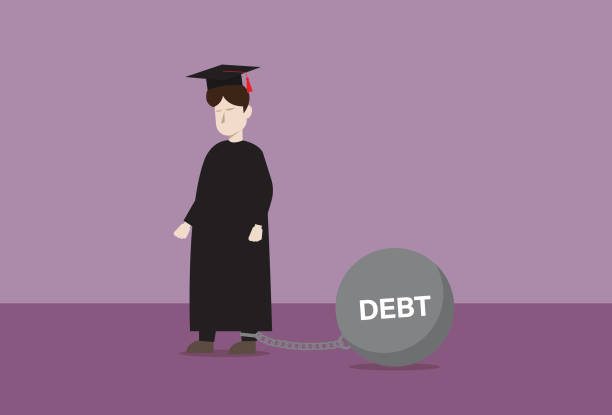
Student loan debt does not care that rent went up or groceries cost more. It just wants its money. If your federal payment feels impossible, income-driven repayment is one relief option that can make your budget breathe. Instead of basing your bill on what you owe, it bases it on what you earn. That can mean the difference between a $400 payment and a $50 payment. It is not forgiveness magic, and it is not perfect. But it is practical, legal, and available to millions of federal borrowers.
Here is the plain-English version. Income-driven repayment, often called IDR, is a set of federal plans that cap your monthly payment at a percentage of your discretionary income. That is roughly the money left after taxes and basic living costs. The government uses your income and family size to decide your payment. If you make little, your payment can be very low. If you make more, it rises. It keeps you current without choosing between loans and rent. After you make qualifying payments for a long stretch—usually 20 or 25 years—whatever is left is forgiven. If you work for a qualifying government or nonprofit employer, Public Service Loan Forgiveness can wipe out the balance after 10 years.
Who should look at IDR? Anyone with federal student loans who is struggling to pay, underemployed, working a gig job, raising kids, or just watching their payment eat their paycheck. It is especially useful if you borrowed a lot but earn little. It can also help if you are in default, though you usually need to get out of default first through rehabilitation or consolidation. Private loans do not qualify. If your loans are private, IDR is not on the menu.
Applying is less scary than it sounds. Start with the federal student aid website, use the loan simulator, and see which plans you qualify for. Then submit an IDR application through your servicer or the federal site. You will need income information, usually from taxes or pay stubs. Once approved, your payment adjusts. Every year, you must recertify your income and family size. If you miss that deadline, your payment can jump—sometimes dramatically. Put a reminder in your phone two months early. Do not trust your memory.
Now the no-nonsense reality check. IDR can lower your payment, but interest may still grow your balance. That can feel like going backward. But a growing balance with an affordable payment is often better than a defaulted loan, a wrecked credit score, and collection calls. The forgiven amount at the end may be taxable, though federal tax rules have changed and can change again. Public Service Loan Forgiveness is generally tax-free. For IDR forgiveness, check current IRS rules before counting on a tax-free ending. If you are married, filing separately can lower your IDR payment but raise your tax bill. Run the numbers both ways.
IDR is not the only relief option. Deferment and forbearance can pause payments, but interest may keep accruing, and they are temporary. Refinancing with a private lender can lower your rate, but it strips away federal protections like IDR, PSLF, and disability discharge. If you need relief, do not refinance federal loans. Consolidation can simplify loans and help you qualify for certain plans, but it can affect your forgiveness timeline. Bankruptcy is possible but difficult, and it should not be your first move.
The smartest move is to compare your options. Use the loan simulator. Pick the lowest payment you qualify for if your goal is survival and forgiveness. Submit the paperwork. Recertify on time. Track every payment. If you are aiming for PSLF, submit your employer certification yearly. If your servicer errs, call and document it. Even a $0 IDR payment can count as qualifying. That is not a loophole. That is the system working.
Income-driven repayment will not erase your debt overnight or make the balance pretty. But it can keep you out of default, protect your credit, and give you room to build a life while you wait for forgiveness. If you have federal loans and your payment feels impossible, spend twenty minutes today finding out if IDR fits. Your future self will thank you.