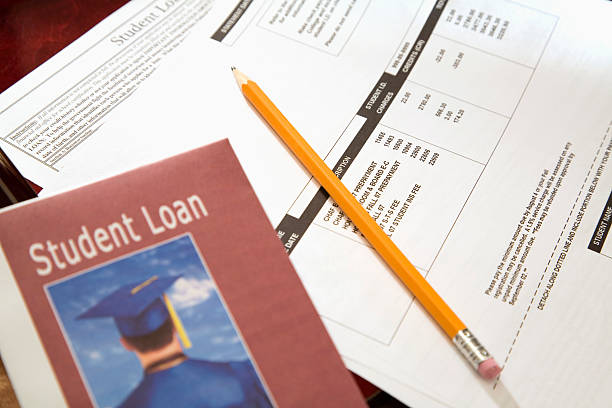
Standard vs Income-Driven Repayment: How to Choose the Student Loan Plan That Won’t Wreck Your Budget
Your student loan repayment plan is not paperwork you fill out once and forget. It decides your monthly payment, how much interest you pay, how long...
1 month ago Read More
Fixed vs. Variable Private Student Loans: Which Type Actually Costs You Less?
Private student loans are not all the same. The type you choose can change your monthly payment, total cost, and stress level for years. Two of the...
1 month ago Read More
Why Your Student Loan Balance Grows Even When You Pay on Time
If you have ever made a student loan payment on time, felt proud, and then logged in a month later to see the balance barely moved, you are not...
1 month ago Read More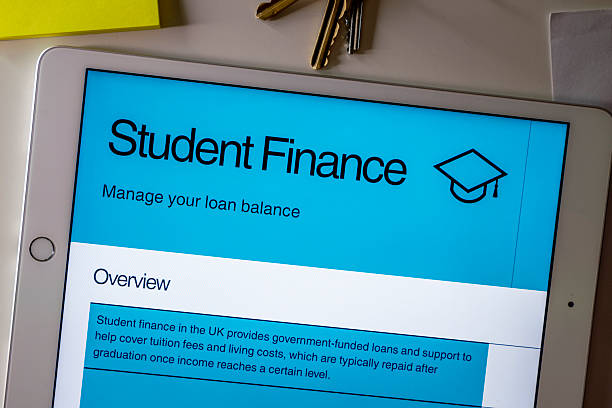
Private Student Loan Cosigners: What to Know Before You Sign
Private student loans are not like federal loans. They do not come with income-driven repayment, Public Service Loan Forgiveness, or the same...
1 month ago Read More
How to Pick a Federal Student Loan Repayment Plan That Fits Your Real Life
Your first federal student loan payment can feel like a punch in the budget. The good news is you usually have more choices than the default ten-year...
1 month ago Read More
What Student Loan Capitalization Actually Means (and Why It Costs You More)
Capitalization is one of those student loan terms that sounds harmless until you see the damage. It happens when unpaid interest gets added to your...
1 month ago Read More
The Student Loan Myth That Keeps You Broke: You Don’t Need to Be Debt-Free Before You Save, Invest, or Buy a Home
There’s a myth that floats around every family dinner and group chat: if you have student loans, you must pour every spare dollar into them before...
1 month ago Read More
The Myth of Paying Off Student Loans as Fast as Possible
There’s a stubborn myth that says any extra dollar you have should go toward your student loans. It sounds responsible. It feels virtuous. And for...
1 month ago Read More
How Student Loan Interest Actually Works and How to Stop It From Eating Your Budget
A student loan is not just the number on your award letter. It’s a debt with a clock and a price tag. Interest is the rent you pay to borrow money...
1 month ago Read More
How Deferment and Forbearance Really Affect Your Credit
When money gets tight, a student loan deferment or forbearance can feel like a lifeline. Your servicer agrees to pause payments, and you assume your...
1 month ago Read More
No-Cosigner Private Student Loans: What to Know Before You Sign
No-cosigner private student loans are exactly what they sound like: money from a bank, credit union, or online lender that does not require a parent...
2 months ago Read More
Your Rights Before Student Loan Wage Garnishment
Default can feel like a trap. For federal student loans, default usually kicks in after 270 days of missed payments. At that point, the government...
2 months ago Read MorePopular Articles
Deferment vs. Forbearance: How to Pause Student Loans in School Without Wrecking Your Future

How Community and Small Acts of Generosity Can Help You Survive Student Debt