
Student Debt 101

Subsidized vs. Unsubsidized Federal Student Loans: What Every Borrower Needs to Know
Types of Federal Student Loans

Subsidized vs. Unsubsidized Federal Student Loans: What Every Borrower Needs to Know

The federal student loan system isn’t trying to trick you, but it doesn’t always shout the important part either. When you sign your Master...

4 months ago Read More
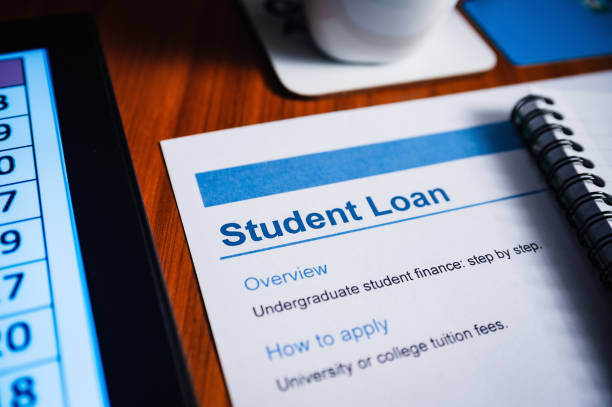
How Student Loan Interest Actually Works (and Why It Changes Everything)
What Is a Student Loan

How Student Loan Interest Actually Works (and Why It Changes Everything)

A student loan is not free money. You borrow a chunk of money called the principal, and you agree to pay it back with interest. Interest is the...

4 months ago Read More

Why Paying Off Your Student Loan Can Drop Your Credit Score
How Loans Affect Your Credit

Why Paying Off Your Student Loan Can Drop Your Credit Score

You finally did it. You made that last payment on your student loan. You log in to your bank account, see a zero balance, and feel a massive weight...

4 months ago Read More

How Student Loans Affect Your Credit Score (And What to Do About It)
How Loans Affect Your Credit

How Student Loans Affect Your Credit Score (And What to Do About It)

Your student loans are one of the longest financial relationships you will ever have. That means they are also one of the most powerful forces on...

4 months ago Read More
Why Your Student Loan Balance Keeps Growing Even When You’re Paying
Understanding Interest Rates

Why Your Student Loan Balance Keeps Growing Even When You’re Paying

Your student loan interest rate is not just a number on a statement. It is a daily charge for borrowing money. Federal and private loans usually...

4 months ago Read More
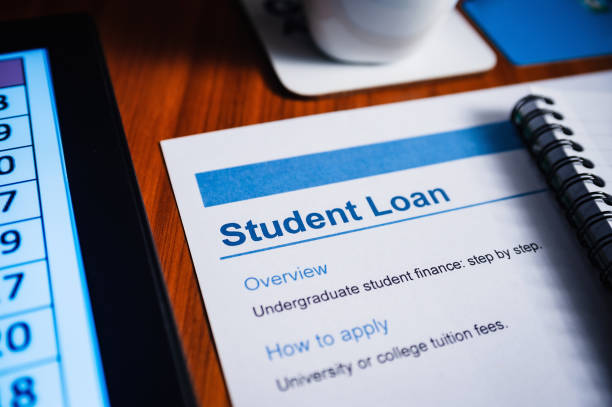
The Hidden Trap of Unsubsidized Federal Student Loans
Types of Federal Student Loans

The Hidden Trap of Unsubsidized Federal Student Loans

When you get your financial aid award letter, it can feel like a lot of jargon is being thrown at you. You see terms like “Subsidized” and...

4 months ago Read More
Direct Subsidized vs. Unsubsidized Loans: The Federal Student Loan Difference That Changes What You Owe
Types of Federal Student Loans

Direct Subsidized vs. Unsubsidized Loans: The Federal Student Loan Difference That Changes What You Owe

When you fill out the FAFSA and get a financial aid offer, you might see two types of federal student loans: Direct Subsidized and Direct...

5 months ago Read More

The Payoff-Fast Myth That Keeps Student Loan Borrowers Broke
Common Student Loan Myths

The Payoff-Fast Myth That Keeps Student Loan Borrowers Broke

The advice sounds responsible: if you have student loans, throw every spare dollar at them until they are gone. Skip the emergency fund. Skip the...

5 months ago Read More
The Income-Driven Repayment Myth That’s Costing You Money
Common Student Loan Myths

The Income-Driven Repayment Myth That’s Costing You Money

Income-driven repayment is not a last resort for people who can’t pay their bills. It’s a federal safety net, but it’s also a legitimate strategy for...

5 months ago Read More

Capitalization: The Student Loan Term That Quietly Grows Your Balance
Student Loan Glossary

Capitalization: The Student Loan Term That Quietly Grows Your Balance

Capitalization is one of those student loan words that sounds harmless until you see what it does. It means unpaid interest is added to your...

5 months ago Read More
FAQ

Frequently Asked Questions

A student loan is a fixed sum borrowed specifically for education costs that you agree to pay back with interest over an agreed schedule. Unlike a credit card, it isn't revolving credit you can keep drawing from; unlike most personal loans, federal student loans come with borrower protections — income-driven repayment, deferment, and certain forgiveness paths — that other consumer debt generally doesn't offer.

No. Deferment and forbearance pause or reduce your required payments, but the loan itself remains due, and on unsubsidized and private loans, interest usually keeps accruing the whole time. Using these tools can help in a genuine hardship, but they're a pause button, not an eraser.

Options generally include the Standard Plan (fixed payments over 10 years), Graduated Plans (payments that start lower and increase), Extended Plans (a longer term for larger balances), and various income-driven plans that set your payment as a percentage of discretionary income. Which ones you can choose depends on your loan type, so it's worth checking your servicer's account tools.

No — it's a persistent myth. Federal programs exist for forgiveness or discharge in specific situations, including qualifying public service work, certain income-driven repayment plans after a set number of years, total and permanent disability, and school closure or fraud. It's true that forgiveness isn't automatic or universal, but “never” overstates the reality.

Student debt refers to money borrowed to pay for education costs — tuition, room and board, books, and other school expenses — that has to be repaid, usually with interest, after you leave school or drop below a certain enrollment level. It can come from the federal government or from private lenders such as banks, credit unions, or state-based nonprofit lenders, and the terms attached to each type can differ significantly.