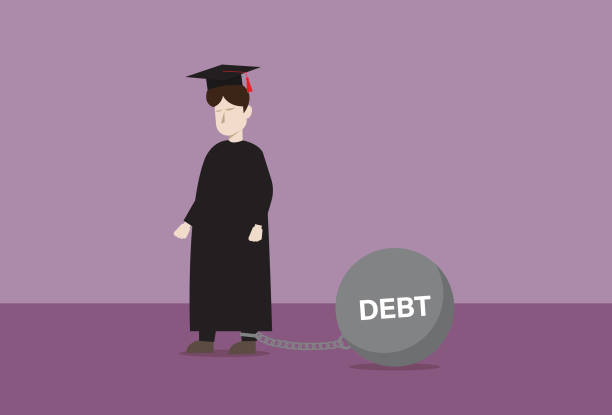
The student loan system isn’t broken because borrowers are irresponsible. It’s broken because it’s complicated. If you have debt, you’ve probably spent hours trying to figure out which repayment plan won’t wreck your grocery budget. The reform we need isn’t another slogan. It’s a system where your payment is based on what you earn, updates when your income changes, and doesn’t require you to file paperwork every year like you’re applying for a secret clearance. Automatic income-driven repayment would do that.
Income-driven repayment already exists, but there are too many versions. IBR, PAYE, REPAYE, SAVE, and older plans each have different rules, forgiveness timelines, marriage penalties, and ways to calculate discretionary income. That confusion costs money. Borrowers stay in standard plans with payments they can’t afford, go delinquent, or miss forgiveness because they trusted the wrong advice. Reform should collapse these into one plan. One percentage. One definition of discretionary income. One forgiveness date. Simple enough to remember.
The biggest fix is automatic enrollment. If the IRS already knows your income and the Education Department knows your loan balance, why are you faxing pay stubs? A reformed system should pull income data, set your payment, and tell you what you owe. If your income drops, your payment drops. If you lose your job, your payment goes to zero without a seven-step application. That’s not a handout; it’s basic financial plumbing. When payments adjust in real time, you can budget. You can pay rent, buy food, and still make progress toward forgiveness.
Reform should also stop punishing people for getting raises. Under current rules, a small raise can trigger a payment jump that leaves you worse off. That makes no sense. A sensible system would phase payment increases gradually, so you keep more of every raise. It would also stop interest from ballooning when your payment is low. If your payment doesn’t cover interest, the government shouldn’t let the balance grow like a weed. A reformed plan should cap interest, or stop charging it when you’re making required payments. That way, ten or twenty years of payments actually leads somewhere.
Forgiveness needs to be real and predictable. Today, borrowers hear “forgiveness” and then discover they were in the wrong plan, missed a certification, or had a servicer error. Reform should make forgiveness automatic. If you’ve made your required payments, the remaining balance should disappear without you having to prove it. Public Service Loan Forgiveness should work the same way. Teachers, nurses, social workers, and government employees shouldn’t need a lawyer to get the benefit they earned. A simple annual statement should show payments made, payments left, and your forgiveness date. No mystery.
Until that reform arrives, you still have to survive. Know your plan. Log into StudentAid.gov, check your loan types, and use the loan simulator. If you’re on a standard plan and struggling, apply for an income-driven plan. If you’re already on one, recertify on time. If you’re married, run the numbers both ways for taxes, because filing separately can lower your payment, though it may raise your tax bill. If you work for a qualifying employer, submit PSLF forms every year. Don’t wait until year ten. Keep records of every payment. Servicers change, but your paperwork is your proof.
Treat reform as a budget issue. Even if your payment drops, don’t let lifestyle creep eat the difference. Build a small emergency fund. One thousand dollars is a realistic first target. Then automate a little extra toward the loan with the highest interest rate, unless you’re aiming for forgiveness. If you’re pursuing forgiveness, paying extra may not help you. Put extra money in a high-yield savings account for taxes or emergencies. The system is messy, so your strategy has to be boring and consistent.
The student debt crisis won’t be solved by shame or by pretending everyone can just pay more. It will be solved by making the loan system understandable. Automatic income-driven repayment, one set of rules, real interest limits, and automatic forgiveness would give borrowers a clear path. You’d know what you owe, what you’ll pay, and when it ends. That’s not radical. It’s how every other modern bill works. Until then, learn the rules, use the tools, and vote for leaders who want to simplify the system. Your future self will thank you.