
All Articles

Debt Avalanche vs. Snowball: Pick a DIY Payoff Method You Can Live With
DIY Debt Payoff Methods

Debt Avalanche vs. Snowball: Pick a DIY Payoff Method You Can Live With

Student debt can feel like a roommate who never pays rent but still eats your groceries. You do not need a finance degree, perfect credit, or a...

4 months ago Read More

Student Loan Default Recovery: How to Get Back on Track After Graduation
Loan Default Recovery

Student Loan Default Recovery: How to Get Back on Track After Graduation

Defaulting on student loans feels like a trap, but it is not permanent. For federal loans, default usually happens after 270 days of missed payments...

4 months ago Read More
Student Loan Refinancing: How to Save Money Without Giving Up Federal Safety Nets
Refinancing Guide

Student Loan Refinancing: How to Save Money Without Giving Up Federal Safety Nets

Refinancing student loans can be one of the smartest money moves you make, or one of the most expensive mistakes. The difference comes down to one...

4 months ago Read More
Trade School Paths That Won’t Leave You Broke
Trade School Paths

Trade School Paths That Won’t Leave You Broke

Trade school can be a smart move for many people. But only if you run the numbers. Many programs cost less and take less time than a bachelor’s...

4 months ago Read More
Refinancing Student Loans: When It Saves You Money and When It Doesn’t
Refinancing Guide

Refinancing Student Loans: When It Saves You Money and When It Doesn’t

Refinancing student loans is not a magic trick. It is a trade. You give up your current loans and the protections attached to them, and in return you...

4 months ago Read More
Why Paying Off Your Student Loan Can Drop Your Credit Score
How Loans Affect Your Credit

Why Paying Off Your Student Loan Can Drop Your Credit Score

You finally did it. You made that last payment on your student loan. You log in to your bank account, see a zero balance, and feel a massive weight...

4 months ago Read More

How Student Loans Affect Your Credit Score (And What to Do About It)
How Loans Affect Your Credit

How Student Loans Affect Your Credit Score (And What to Do About It)

Your student loans are one of the longest financial relationships you will ever have. That means they are also one of the most powerful forces on...

4 months ago Read More
Federal Loan Consolidation After Graduation: When It Helps and When It Hurts
Consolidating Federal Loans

Federal Loan Consolidation After Graduation: When It Helps and When It Hurts

If you graduated with federal student loans, you’ve probably been told to consolidate. One payment, one servicer, less chaos. But a Direct...

4 months ago Read More
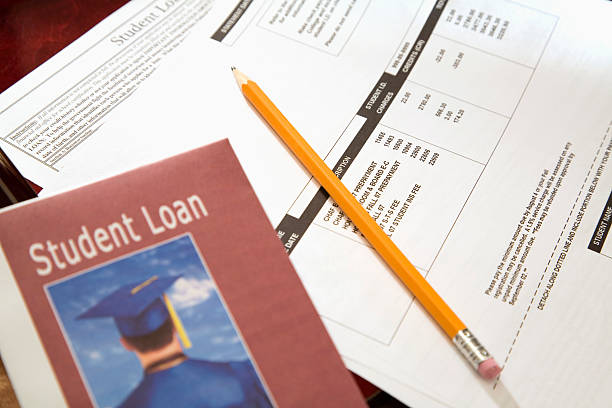
Should You Buy a House While You Still Have Student Loans?
Housing and Student Loans

Should You Buy a House While You Still Have Student Loans?

Student loans do not disqualify you from a mortgage, but they change the math. Lenders look at your debt-to-income ratio, which compares all monthly...

4 months ago Read More
Why Your Student Loan Balance Keeps Growing Even When You’re Paying
Understanding Interest Rates

Why Your Student Loan Balance Keeps Growing Even When You’re Paying

Your student loan interest rate is not just a number on a statement. It is a daily charge for borrowing money. Federal and private loans usually...

4 months ago Read More
Student Loan Reform That Actually Helps: Make Income-Driven Repayment Automatic
Loan System Reform

Student Loan Reform That Actually Helps: Make Income-Driven Repayment Automatic

The student loan system isn’t broken because borrowers are irresponsible. It’s broken because it’s complicated. If you have debt, you’ve probably...

4 months ago Read More
Refinancing Student Loans After Graduation: When It Saves You Money and When It Backfires
Refinancing Student Loans

Refinancing Student Loans After Graduation: When It Saves You Money and When It Backfires

Refinancing student loans after graduation can feel like the adult version of cleaning your room: you know it might help, but you are not sure where...

4 months ago Read More
FAQ

Frequently Asked Questions

It depends heavily on the field and the specific schools being compared; for some career paths, name recognition or network effects matter more, while for others, outcomes are fairly similar regardless of prestige. Looking at graduation rates, average debt at graduation, and career outcomes for your intended major can help make it less of a guess.

Yes — nonprofit credit counseling agencies (some accredited by the National Foundation for Credit Counseling) can offer free or low-cost guidance, some community organizations and employers run debt-related financial literacy programs, and a small number of charitable and crowdfunding efforts have helped pay down individual borrowers' debt in specific cases. These are generally a supplement to, not a replacement for, understanding your official federal repayment options.

It can be, especially if it directly speeds up debt payoff or builds a skill relevant to your career, though it's worth weighing the time cost against burnout risk, particularly if you're also working full-time. Even a modest, consistent side income directed entirely at extra loan payments can shorten a payoff timeline meaningfully over a year or two.

A common starting point is listing fixed costs (rent, loan payments, insurance), then variable necessities (food, transportation, utilities), then discretionary spending (entertainment, dining out), and comparing the total against your actual take-home income. Frameworks like the 50/30/20 rule (needs, wants, savings/debt) can offer a rough starting split, then you adjust based on your real numbers.

Treat your loan payment as a fixed monthly bill, similar to rent, and build the rest of your budget around it rather than treating it as optional. If the standard payment feels unaffordable against your starting salary, look into income-driven repayment before falling behind, since catching problems early is much easier than recovering from missed payments.